Why Facility Managers Need Commercial Electricians for Upgrades
Commercial Electrician Regulations Electrical Code Permits EV Charger Electrical Contractor
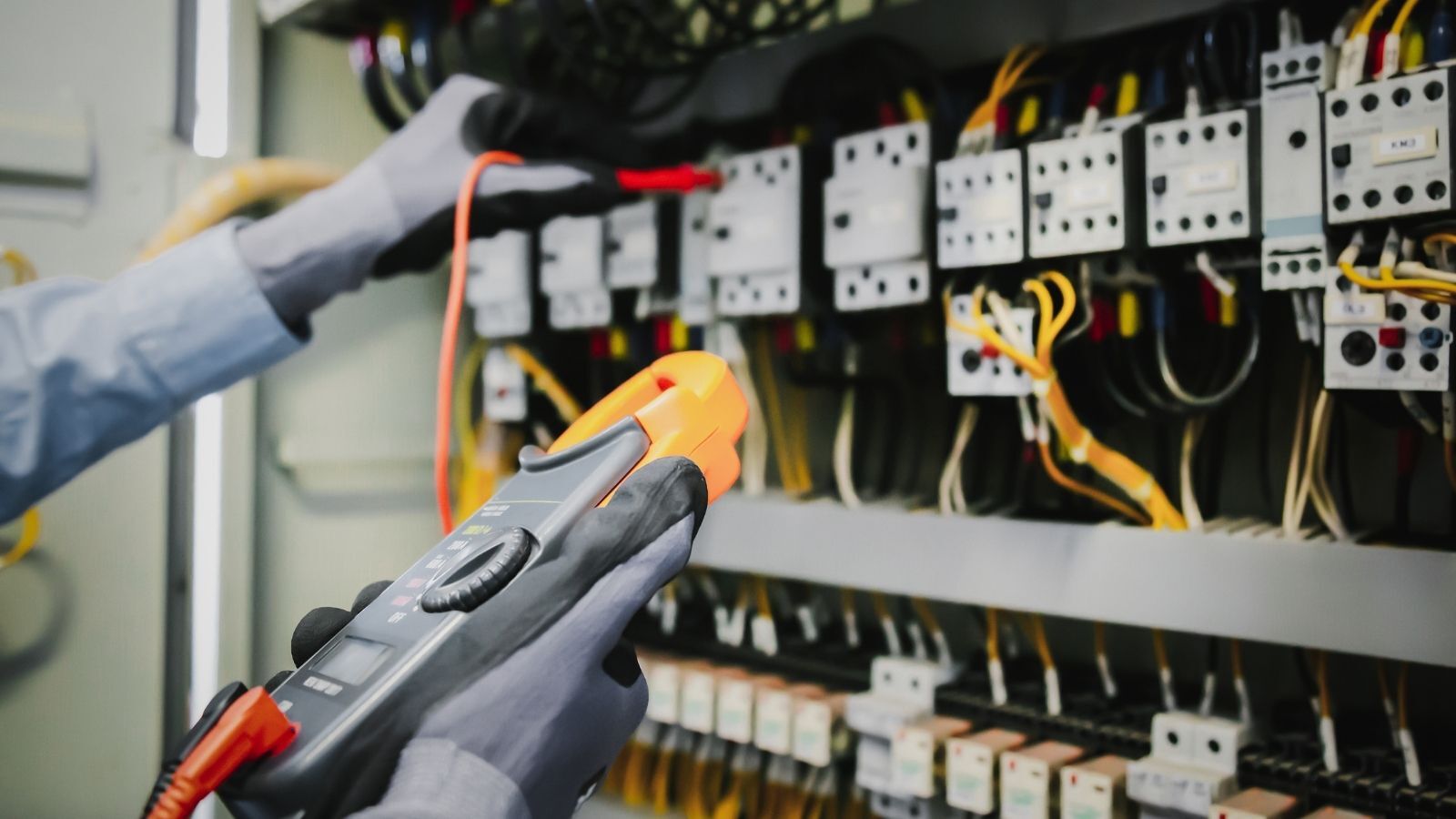
Is Your Building Really Ready? Why Facility Managers Need Licensed Commercial Electricians for Modern Service Upgrades The Hidden Risks in Aging Electrical Infrastructure Across commercial and industrial buildings, electrical systems built decades ago are increasingly showing their age. Panels designed for older technologies often lack the load capacity needed for modern HVAC systems, high-efficiency lighting, and building automation networks. Even if everything “seems” to work, underlying issues—like undersized breakers or loose connections—can create significant safety risks and inefficiencies. For facility managers striving to maintain uptime and control costs, partnering with a licensed commercial electrician is the first step toward ensuring the building’s resilience and compliance with the latest standards. Understanding Modern Electrical Service Upgrades An electrical service upgrade involves more than just swapping panels. It’s a comprehensive process of evaluating power distribution systems, updating switchgear, and modernizing grounding and bonding to meet current electrical loads. Modern facilities depend on uninterrupted, well-balanced power for everything from elevators to data servers. An experienced electrical contractor assesses existing infrastructure and installs new services rated for both present operations and future demand. This approach supports commercial wiring standards, improves reliability, and minimizes maintenance disruptions—all essential elements of effective facility management. Facility Management Challenges in a Digital Era Today’s facilities are running more digitally connected systems than ever before. Smart building automation, EV charging stations, and LED lighting retrofits all increase the electrical load on existing infrastructure. Without careful planning, these modern upgrades can lead to power imbalances or outages. A forward-thinking preventive maintenance plan, guided by an experienced electrician, ensures that a facility stays efficient and compliant. Proper building energy management improves operational performance, reduces downtime, and helps meet sustainability goals. In a market where efficiency and uptime are critical, electrical modernization isn’t optional—it’s strategic. Why Only Licensed Commercial Electricians Should Handle Upgrades Electrical service upgrades affect the entire safety and performance profile of a building. Choosing an unlicensed worker may seem cost-effective initially, but the long-term liability and risk far outweigh the savings. Licensed electricians ensure that every phase—from design to inspection—meets the National Electrical Code (NEC) and local regulatory requirements. These professionals are trained to perform load calculations, design compliant systems, and coordinate phased installations for occupied buildings. With expertise in industrial electrical contracting, they also ensure safety inspections are completed correctly, protecting both personnel and property from serious hazards. When a Service Upgrade Prevented a Costly Shutdown Consider a regional manufacturing plant that began experiencing recurring breaker trips during peak production hours. After a comprehensive electrical inspection, CDI Electric identified the need for a full service upgrade, replacing outdated panels and redistributing circuits for better load balance. The result? The plant achieved 15% better power reliability, eliminated downtime, and gained capacity for future automation systems. This type of proactive investment underscores how a well-executed upgrade prevents expensive shutdowns and strengthens the business's operational resilience. Signs Your Building Isn’t Ready for Modern Demand Facility managers can often spot warning signs before a failure occurs. Watch for: Frequent breaker trips or recurring equipment malfunctions Flickering lights and noticeable power fluctuations Insufficient circuits for new machinery or EV charging stations Outdated grounding systems lacking modern surge protection A Licensed electrician can perform an electrical inspection checklist or load testing to determine whether your building can safely handle today’s power requirements. Planning Your Electrical Service Upgrade A successful upgrade starts with assessment. A facility electrical audit identifies system gaps and future power needs. From there, a qualified contractor develops a design plan, secures permits, and manages installation with minimal disruption to operations. Working with a trusted partner like CDI Electric means you gain access to turnkey electrical services—including project management, code compliance, and energy efficiency upgrades. Every phase is handled with precision and transparency so that your building stays safe, efficient, and compliant well into the future. Future-Proofing Your Facility Starts with a Professional Assessment Modern buildings need modern electrical systems. As equipment demands grow and efficiency standards tighten, only a licensed commercial electrician has the training and experience to keep your infrastructure safe, scalable, and future-ready. Don’t wait for a failure to find your weaknesses. Schedule a facility electrical assessment with CDI Electric today—because the best time to prepare your building for tomorrow’s power needs is now.
Is Your Building Really Ready? Why Facility Managers Need Licensed Commercial...
Read More
The Hidden Costs of Not Using a Licensed Commercial Electrician
Commercial Electrician Regulations Electrical Code Permits
The Hidden Costs of Skipping a Licensed Commercial Electrician When managing a business, it’s tempting to cut costs wherever possible. Some owners even consider hiring unlicensed electricians or doing minor electrical work in-house. But what feels like a quick way to save money can create serious — and expensive — problems down the road. From safety hazards to compliance penalties, the hidden costs of skipping a licensed commercial electrician can easily outweigh the short-term savings. False Savings: Why “Cheaper” Electrical Work Costs More Later Unlicensed electrical work often appears affordable upfront, but those “savings” can quickly disappear. Without proper expertise, wiring systems are more likely to fail, causing equipment damage or requiring repeated repairs. Poorly done installations can also reduce efficiency and increase electrical maintenance expenses over time. For example, a business that experiences lighting failures or malfunctioning outlets may lose valuable operational hours. Hiring a licensed commercial electrician ensures your electrical system is built to code and designed for your facility’s actual power demands, preventing costly surprises later. Safety Hazards of Unlicensed Electrical Work Safety should never be negotiable in a commercial space. Unlicensed work increases the risk of: electrical fire hazards shocks code violations that can put employees and visitors at risk. Licensed electricians are trained to follow OSHA workplace safety standards and perform proper load calculations to reduce risk. A professional technician also uses the correct materials and installation methods to ensure every connection meets electrical code requirements. One small wiring error might not cause immediate harm — but over time, it can turn into a serious safety issue. Building Code Compliance and Insurance Liabilities Hiring a professional ensures compliance with NEC (National Electrical Code) standards and local building permits. Skipping these steps can lead to failed inspections, fines, or, worse, shutdowns during audits. Insurance companies also have strict guidelines. If an electrical fire or system failure occurs due to unlicensed work, many commercial property insurance providers may deny claims. Using a licensed commercial electrician gives business owners both financial protection and peace of mind. Downtime and Lost Productivity from Electrical Failures Electrical systems power the essential operations of any commercial building — from machinery and lighting to technology and HVAC systems. When that system fails, productivity instantly suffers. Electrical system downtime not only halts business operations but also affects employee output and customer satisfaction. A licensed commercial electrician ensures proper installation, thorough testing, and preventive maintenance to minimize unexpected outages. Investing in professional electrical service supports long-term business continuity and operational reliability. Reduced Energy Efficiency and Hidden Operating Costs Improper electrical installations don’t just cause safety issues — they can also increase operational expenses. Poor electrical load balancing and low-quality connections waste energy, driving up utility bills. Professionally installed systems are optimized for energy efficiency, power quality, and long-term performance. Licensed commercial electricians can also perform an energy audit to identify inefficiencies and recommend cost-saving upgrades, such as LED lighting or automated control systems. Protecting Your Business Reputation and Future Growth A single electrical incident can damage a company’s reputation. Tenants, partners, and customers expect reliability and safety — both of which depend on compliant and professional electrical work. Regular inspections, safety compliance, and documented maintenance demonstrate your business’s commitment to quality and integrity. Partnering with a licensed commercial electrician not only protects your building’s systems but also reinforces your business reputation as one that values responsibility and long-term growth. The price difference between unlicensed and licensed work might look appealing at first glance, but the consequences of cutting corners are often far more costly — in time, money, and safety. Hiring a licensed commercial electrician ensures compliance, prevents accidents, and keeps your operations running efficiently. If you’re ready to protect your business from these hidden costs, contact CDI Electric today. Our experienced, licensed team provides code-compliant, energy-efficient solutions that safeguard your building and your bottom line.

The Hidden Costs of Skipping a Licensed Commercial Electrician When managing a...
Read More
Why Electrical Code Compliance Protects Your Property Investment
Regulations Electrical Code Permits
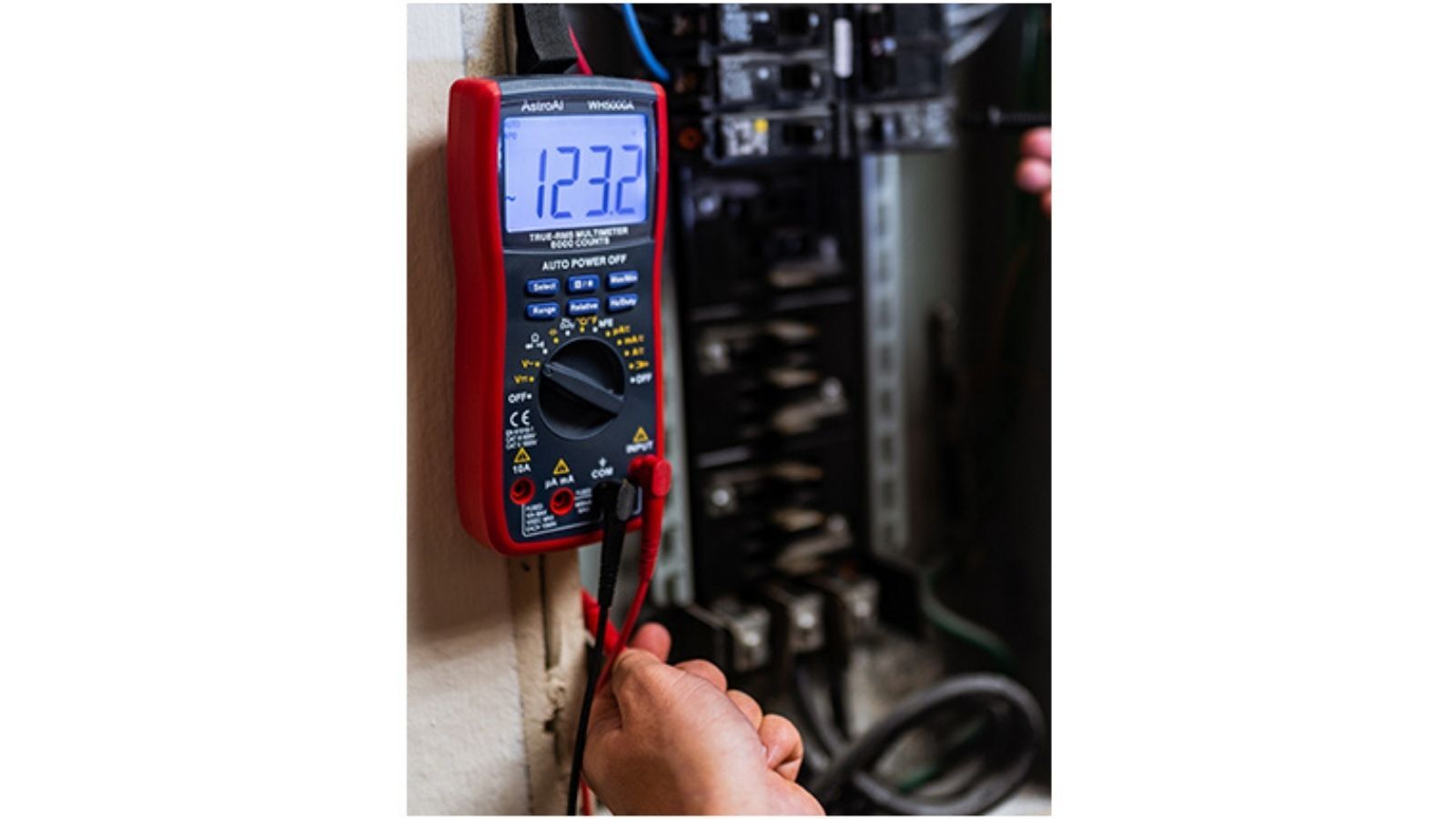
Electrical systems form the foundation of every commercial and residential property, yet many owners overlook a critical aspect of system integrity: code compliance. Understanding how proper electrical code compliance safeguards your property investment can help prevent costly repairs, safety hazards, and potential legal complications down the road. Understanding National Electrical Code (NEC) Standards The National Electrical Code establishes comprehensive safety standards for electrical installations across the United States. These standards aren't arbitrary regulations—they represent decades of research and real-world experience aimed at preventing electrical hazards. Licensed electrical contractors follow these nationally recognized guidelines to ensure every wire, circuit, and component meets strict safety requirements. When you work with certified professionals, you're investing in expertise that keeps your property aligned with current electrical safety practices. NFPA 70 National Electrical Code®: Enforced in all 50 states, NFPA 70, National Electrical Code (NEC) is the benchmark for safe electrical design, installation, and inspection to protect people and property from electrical hazards. Safety Inspections and Fire Prevention Improper electrical installations pose serious risks, including electrical fires, shocks, and complete system failures that can devastate properties. Code-compliant installations include proper wire sizing, appropriate circuit protection, and correct grounding—all essential elements that prevent dangerous conditions. Regular electrical inspections by qualified professionals identify potential hazards before they become emergencies, protecting both your property and the people who use it. These preventive measures are among the most cost-effective ways to maintain property safety and value. Building Permits and Local Regulations Electrical work requires proper permitting and must pass official inspections to verify compliance with both national and local electrical codes. These permits serve as documentation that work was performed correctly and safely, which becomes crucial during property transactions or insurance claims. Skipping the permit process or using unlicensed contractors may save money initially, but it creates serious complications when selling your property or filing insurance claims. Professional electrical contractors handle all permitting requirements, ensuring your project complies with all regulatory standards from start to finish. Property Value and Real Estate Transactions Non-compliant electrical systems can significantly impact property values and complicate real estate transactions. Home inspections routinely uncover code violations that must be corrected before sales can proceed, often leading to price reductions or deal cancellations. Lenders may refuse financing for properties with significant electrical deficiencies, while insurance companies can deny coverage or charge higher premiums for non-compliant systems. Maintaining code compliance throughout your ownership protects your investment and ensures smooth transactions when it's time to sell. Licensed Electricians and Professional Installation Working with licensed electrical contractors provides essential protection that goes beyond technical expertise. Certified electricians carry liability insurance, understand code requirements, and stand behind their work with warranties and guarantees. When electrical work complies with code standards, responsibility for any issues rests with the licensed professional, not the property owner. This protection proves invaluable if electrical problems arise, as proper documentation and professional installation demonstrate due diligence in maintaining safe conditions. Electrical Panel Upgrades and System Modernization Modern electrical systems must be capable of safely handling increased loads from technology, equipment, and smart devices. Service upgrades and renovations must meet current code requirements, not just the standards that existed when the building was originally constructed. Professional contractors assess whether your existing electrical infrastructure can support new demands or requires upgrades to maintain safety and compliance. These proactive improvements protect your property from overloaded circuits and outdated components that pose fire risks. Insurance Coverage and Liability Protection Insurance companies scrutinize electrical systems when evaluating coverage applications and claims. Non-compliant installations or unpermitted work can result in denied claims, even for unrelated incidents, if insurers determine the property wasn't properly maintained. Code-compliant electrical systems demonstrate responsible property management and reduce liability exposure in the event of accidents. This documentation becomes especially important for commercial properties where electrical incidents could result in significant legal and financial consequences. Protect Your Investment with Professional Electrical Services Electrical code compliance isn't just about following rules—it's about protecting the substantial investment you've made in your property. Professional installation, proper permitting, and regular inspections ensure your electrical systems remain safe, reliable, and valuable for years to come. Ready to ensure your property's electrical systems meet current code standards? Visit https://www.cdielectric.com/services/commercial to learn more about CDI Electric's comprehensive commercial electrical services, including code compliance assessments, system upgrades, and professional installations throughout Greater Cincinnati and Northern Kentucky.
Electrical systems form the foundation of every commercial and residential...
Read More