Commercial Generator Testing: Weekly, Monthly, and Annual Checks
Lighting Maintenance and Testing Emergency Backup Power
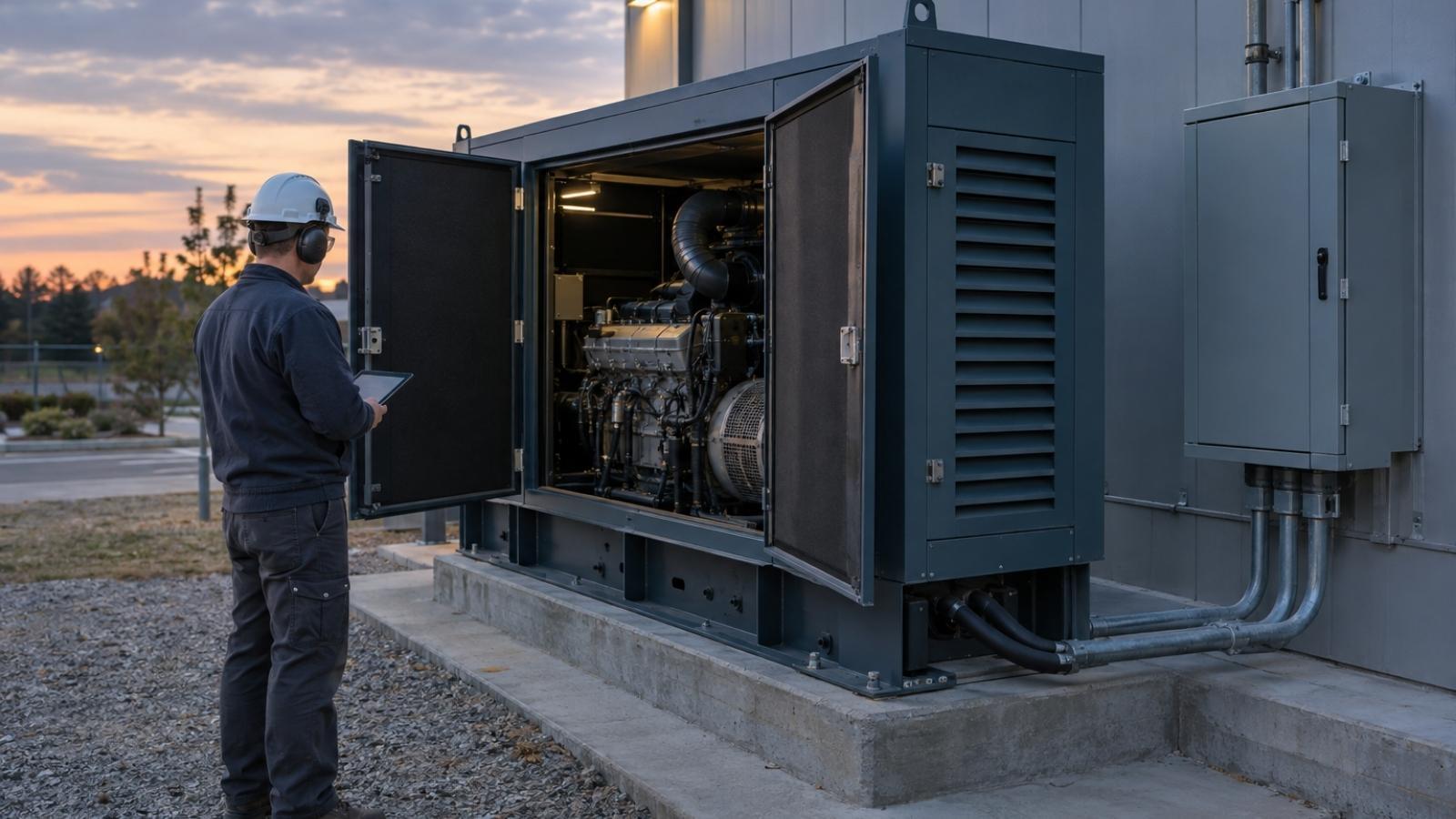
If your building or plant has a standby generator, this guide explains what has to be inspected and tested, how often, and what to record. It also explains why a generator that rarely carries much load may need an extra annual test, and when a problem during a test calls for an electrician or the generator dealer. A monthly test log is at the end. The short answer For generators covered by NFPA 110: Weekly: Inspect the system. Under the 2025 edition, Level 2 systems may be inspected monthly instead. Monthly: Run the generator under load for at least 30 minutes, and operate each transfer switch. Annually: Run a load bank test if the generator did not carry enough load during its monthly runs. Every 36 months: Run a longer test on Level 1 systems. Always: Record every inspection, test, and repair. First, find out what kind of system you have NFPA 110, the Standard for Emergency and Standby Power Systems, applies when a code requires an emergency power supply system and points to the standard. The standard sorts systems into two levels: Level 1: Failure could cause loss of life or serious injury. Examples include generators serving emergency egress lighting or life safety systems. Level 2: Failure is less critical to life and safety, such as legally required standby loads. Many commercial generators are optional standby systems, installed to keep a business running rather than because a code requires them. For those systems, the manufacturer's maintenance schedule usually governs, though many owners follow the NFPA 110 routine anyway because it is a proven program. Not sure which you have? Your generator's installation records, your fire code official, or your electrical contractor can tell you. The current edition of NFPA 110 is 2025, but your jurisdiction may enforce an older edition referenced by its adopted fire or building code. The schedule below follows the 2025 edition. Where an earlier edition differs in a way that matters, it is noted. Weekly inspection NFPA 110 calls for Level 1 systems to be inspected weekly. The 2025 edition allows monthly inspections for Level 2 systems. Because older editions required weekly checks for both levels, plan on weekly inspections unless your fire code official tells you otherwise. A typical weekly walk-around checks: Fuel level, and for diesel units, signs of leaks Oil and coolant levels, following the manufacturer's procedure Battery condition, charger operation, and alarm indicators That the generator control is set to automatic That the transfer switch is in its normal position, with no alarms That the enclosure, air intake, and exhaust are clear of debris Monthly exercise under load Each generator set should run at least monthly, for at least 30 minutes, under load. The 30 minutes is counted from when the generator takes the load, not from when it starts. For diesel units, the load must do one of two things. It must keep the exhaust at the manufacturer's recommended minimum temperature, or it must reach at least 30 percent of the generator's standby nameplate kW rating. Natural gas and other spark-ignited units run with whatever emergency system load is available. Also operate transfer switches monthly by electrically moving them from normal power to the generator and back. If you have several transfer switches, rotate which one starts the monthly test. Why light loading matters: wet stacking Generators are often sized for future growth, so a building's real emergency load may be well under 30 percent of the generator's rating. A diesel engine that repeatedly runs lightly loaded doesn't burn its fuel completely. Unburned fuel and carbon build up in the exhaust, a condition called wet stacking. Over time, it reduces performance and can lead to failures. That is why NFPA 110 adds an annual supplemental load test when monthly runs don't reach the required load. Annual load bank test, if your monthly runs fall short A diesel unit that cannot meet the monthly loading rule must still be exercised every month on the available load. It then needs one supplemental load test each year. Under the 2025 edition, the generator runs at least 50 percent of nameplate kW for 30 continuous minutes, then at least 75 percent for 60 continuous minutes, for a total of 1.5 hours. Earlier editions started with an extra step at 25 percent, for a two-hour total. A portable load bank provides the extra load. If your generator carries at least 30 percent of its nameplate rating, or reaches the manufacturer's exhaust temperature, during every monthly run, this annual test is not required. Your monthly log is the evidence, which is one more reason to record kW during every run. The 36-month test for Level 1 systems At least once every 36 months, a Level 1 system must run continuously for the duration of its class rating. The test may stop after four continuous hours. Plan this one ahead, because it is the longest run in the schedule. Records NFPA 110 requires a record of every inspection, test, exercise, repair, and modification, available to the authority having jurisdiction. For the monthly run, record at least: The hour meter reading How the test was started Start and transfer times Voltage, frequency, amps, and kW under load Oil pressure, battery charging rate, and coolant temperature The retransfer time The log below follows that sequence. When to call an electrician or the generator dealer Stop and call for service when: The generator fails to start, or starts slowly or only after several tries. The transfer switch does not transfer, takes noticeably longer than usual, or does not return to normal power. Voltage or frequency is unstable under load. An alarm or shutdown occurs during the test. Monthly runs never reach 30 percent of nameplate kW, and no annual load bank test is scheduled. You see fuel or oil leaks, black smoke, or signs of wet stacking. You plan to add load to the generator, or the building's emergency loads have changed. Who to call depends on the problem. Generator work is usually split three ways: Generator dealer: The engine (oil, coolant, and engine controls), transfer switch service, and load bank testing. Plumbing contractor: Fuel piping to the generator. Licensed electrician: Generator installation, wiring, breakers, load connections, and changes to which loads the generator serves. If you aren't sure where a problem starts, call the company that installed the system. They can tell you which trade it belongs to. Download the Monthly Generator Test Log Spreadsheet What you can do, and what needs a professional Trained facility staff can do the weekly inspection, start and watch the monthly run following the manufacturer's procedure, record readings, and keep the log. Load bank testing and transfer switch maintenance need the generator dealer. Fuel piping needs a plumbing contractor. Breaker work, wiring repairs, and changes to the system's loads need a licensed electrician. How CDI Electric can help CDI Electric installs and services Kohler, Generac, CAT, and Cummins Onan generators for commercial and industrial facilities across Northern Kentucky and Greater Cincinnati. We handle the electrical side of the system: wiring, breakers, load connections, and changes to which loads the generator serves. The generator dealer handles engine service, transfer switch service, and load bank testing, and a plumbing subcontractor installs fuel piping. CDI coordinates with both so the system is installed and tested as one job. If your generator is failing tests, isn't carrying enough load, or needs to support new equipment, see our commercial electrical services or industrial electrical services. You can also call 859-291-9189.
If your building or plant has a standby generator, this guide explains what has...
Read More
How to Test Emergency Lighting in a Commercial Building
Lighting Maintenance and Testing Emergency Backup Power
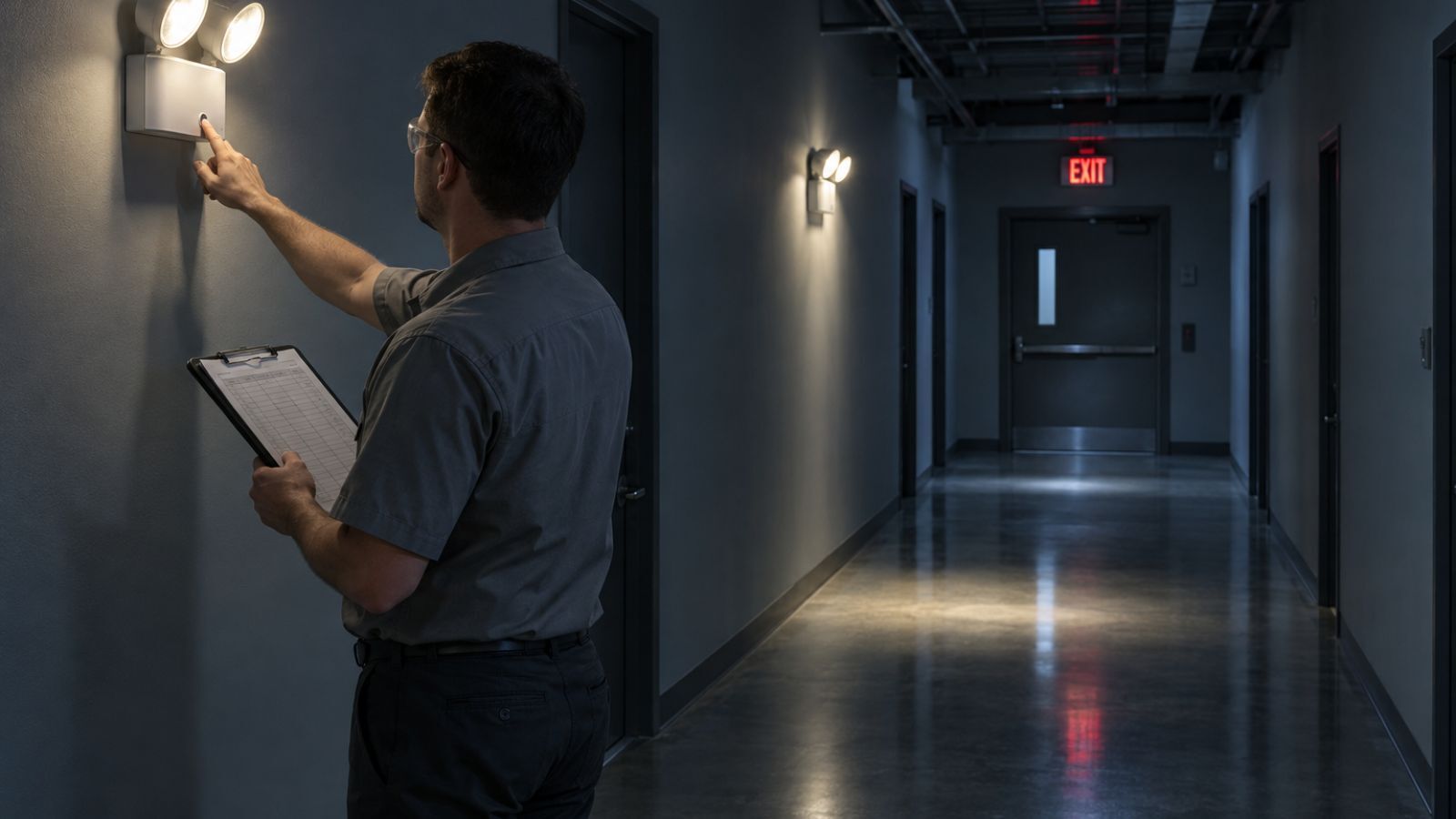
If you manage a commercial building with battery-powered emergency lights or lighted exit signs, this guide explains the monthly and annual tests, how self-testing units change the routine, the records to keep, and when a failed test means you need an electrician. A printable test log is at the end. The short answer Every month: Test each battery-powered unit for at least 30 seconds. Once a year: Run each battery-powered unit for 90 minutes on battery power. Always: Keep written records of every test and inspection. Fire inspectors ask for them. Self-testing units replace the manual monthly test with a monthly visual check. They still need the annual 90-minute test, unless they are computer-based and run it automatically. Where these requirements come from The familiar schedule comes from NFPA 101, the Life Safety Code, section 7.9.3. It gives building owners three ways to test emergency lighting: manual testing, self-testing units, and computer-based self-testing systems (NFPA Journal) State fire codes follow the same pattern. Ohio's fire code requires a monthly activation test of at least 30 seconds and an annual 90-minute test for battery units. It also requires records that show where each unit is, whether it passed, the test date, and who did the test (Ohio Fire Code, 2017 edition, section 604.8; Portage County Safety Council summary). Section numbers change between editions. In Kentucky, the state fire code is the Kentucky Standards of Safety. Your local fire code official decides which code and edition apply to your building. The schedule below is what most buildings in the region will be asked to show. The three ways to test Your equipment Monthly Annual Records Standard battery units (test button on each unit) Functional test of at least 30 seconds. Tests 3 to 5 weeks apart. Functional test of at least 90 minutes Written records of every test Self-testing / self-diagnostic units (status light on each unit) The unit tests itself. You inspect each status indicator at least every 30 days. Functional test of at least 90 minutes Written records of the visual checks and the annual test Computer-based self-testing system (units report to a panel or software) The system tests automatically. The system runs the 90-minute test automatically. The system must be able to produce a history of tests and failures Source: NFPA 101, section 7.9.3.1, as summarized by NFPA and the University of Colorado. The units must work at full output for the entire test. A light that comes on but fades before 90 minutes has failed. Exit signs with battery backup follow the same schedule. Emergency lighting powered by a generator is tested under NFPA 110, the generator standard, instead of the 90-minute battery test. Why the annual test matters The monthly 30-second test shows that a unit switches to battery power and that the lamps light. It does not show whether the battery can last. Batteries lose capacity as they age, so a unit can pass every monthly test and still go dark partway through an outage. The annual 90-minute test finds weak batteries. How to do the monthly test Walk the building with a list of every unit and its location. Include stairwells, corridors, restrooms, mechanical rooms, and exterior egress lights. Press and hold each unit's test button for at least 30 seconds. On self-testing units, check the status indicator instead. Confirm that the lamps come on at full brightness right away, stay on for the full 30 seconds, and are aimed at the path of travel. Check for damage, missing covers, blocked lamps, and units with no charging or power indicator lit. Record the result for each unit: location, pass or fail, date, and your name. Report failures right away, and treat each one as open until it is fixed and retested. Test about the same time each month. The code allows 3 to 5 weeks between tests to work around weekends and holidays, not to skip months. How to do the annual test Schedule it for a low-occupancy time, and tell occupants that you will be testing the lights. Remove normal power from the emergency units for 90 minutes. In many buildings, this means switching off the circuits that feed them. If that requires opening or switching breakers in an electrical panel, use a qualified person, or follow your facility's established procedure. Check every unit at the start, partway through, and at 90 minutes. Record the time any unit dims or fails. Restore power and confirm that each unit's charging indicator comes back on. Let the batteries recharge. Check the manufacturer's recharge time, and don't schedule the test right before the building is busy. Record the results and list every unit that failed and what was done to fix it. When a unit fails Some fixes are simple. Others point to a wiring problem. Usually a parts or replacement issue: The lamp is out, but the unit transfers to battery. The unit works on the 30-second test but fails before 90 minutes. This usually means the battery needs replacing. The unit is physically damaged. Call an electrician when: A unit shows no charging or power light. It may have lost its normal power supply. Several units on the same circuit fail together. A unit does not switch to battery when normal power is removed. You smell burning, see scorching, or find water in or around a unit. A renovation changed the layout, and you are not sure the exit paths are still covered. You need units added, moved, or wired to a different circuit. Emergency lighting test log Print one sheet per month. Keep twelve months of records, plus the most recent annual test, where an inspector can see them. Building: Month/Year: Tested by: Unit # Location Type (standard / self-test / exit sign) Monthly 30-sec test or indicator check: Pass / Fail Annual 90-min test: Pass / Fail / Time failed Problem found Corrective action and date Retest: Pass 1 2 3 4 5 Annual test date: Normal power removed at: Restored at: Total duration: minutes What you can do, and what needs a licensed electrician Facility staff can do the monthly test, check self-test indicators, keep the records, and replace lamps where the manufacturer allows it. Switching breakers in electrical panels should follow your facility's safety procedures or be done by a qualified person. Repairing circuits, replacing hard-wired units, adding units, and correcting lost normal power need a licensed electrician. How CDI Electric can help CDI Electric installs, repairs, and tests emergency and exit lighting for commercial buildings across Northern Kentucky and Greater Cincinnati. We can run your annual 90-minute test, document the results, and fix what fails. View our commercial electrical services or talk with a commercial electrician at 859-291-9189. Requirements are based on NFPA 101 and the Ohio Fire Code. Your fire code official determines which code and edition apply to your building.
If you manage a commercial building with battery-powered emergency lights or...
Read More
How Often Should Electrical Equipment Be Tested? NFPA 70B Guide
Maintenance and Testing
How Often Should Electrical Equipment Be Tested? A Guide to Maintenance Intervals If you manage electrical equipment in a commercial building or industrial plant, this guide explains how NFPA 70B sets maintenance intervals, why the same breaker may need service every year in one facility and every five years in another, and how to build a schedule you can defend. A worksheet for your own equipment is at the end. The short answer No single schedule works for everything. Under NFPA 70B, how often equipment is inspected, tested, and serviced depends on: The manufacturer's instructions, which come first. The equipment's condition, which combines its physical condition, how critical it is to your operation, and the environment it works in. What you find over time. You can shorten intervals after failures or extend them carefully after clean results. Where the manufacturer gives no guidance, NFPA 70B sets maximum intervals by equipment type and condition. Infrared thermography, for example, is required every 12 months for equipment in good or average condition and every 6 months for equipment in poor condition. Why NFPA 70B matters now For years, NFPA 70B was a recommended practice: good advice, but not a requirement. With the 2023 edition, it became a standard, written in mandatory language (NFPA). The current edition is 2026 (NFPA). Whether it is legally enforced at your facility depends on who has adopted it: your jurisdiction, your insurer, your corporate standards, or your customers. Even where it isn't required, it is the most complete framework available for deciding how often electrical equipment needs attention. Insurers and auditors increasingly use it as the benchmark. Step 1: Start with the manufacturer's instructions NFPA 70B requires following the manufacturer's instructions for each maintenance task. Use its own interval table when those instructions aren't available and a failure would present an unacceptable risk (NFPA 70B committee documents). Collect the maintenance sections of the manuals for your switchgear, breakers, transformers, transfer switches, UPS systems, and motor control centers. If the manuals are missing, the manufacturer can usually supply them. Step 2: Assess each piece of equipment's condition NFPA 70B uses an equipment condition assessment that looks at three things (Eaton): Physical condition: How does it look and how does it test? Are there signs of overheating, damage, contamination, or missed maintenance? Criticality: What happens if it fails? A main switchboard serving a production line is more critical than a panel serving storage lighting. Operating environment: Is it clean and dry, or exposed to dust, moisture, heat, vibration, or corrosive air? Each piece of equipment is rated Condition 1 (best), 2, or 3 (worst). The worst of the three factors sets the rating. Treat equipment in a harsh environment as Condition 3 even if it looks new. Step 3: Use the interval table where you have no manufacturer guidance NFPA 70B's interval table lists maximum intervals by equipment type, task, and condition. For example: Task Condition 1 Condition 2 Condition 3 Infrared thermography, all equipment 12 months 12 months 6 months Many maintenance and electrical testing tasks, such as circuit breaker maintenance and testing 60 months 36 months 12 months Step 4: Adjust as you learn A schedule isn't fixed. Under NFPA 70B: Hold the starting interval for at least two full maintenance cycles before extending it, unless unexpected failures occur (NFPA committee documents; Eaton, 2026 edition). Extend cautiously, and only with documented clean results. Shorten the interval after a failure, and use the cause of the failure to decide by how much. The 2026 edition also recognizes the P–F curve, a reliability engineering method for estimating how much warning time you get between the first detectable sign of a problem and actual failure. It can justify the length of an interval (Eaton, 2026 edition). A note on infrared scans and continuous monitoring Infrared thermography finds connections and components running hotter than they should, often well before failure. NFPA 70B requires documenting temperature differences and comparing them against a reference point, such as a similar component under similar load. Two developments in the 2026 edition matter for facility planning (NFPA 70B committee documents; Eaton, 2026 edition): Permanently installed temperature sensors can satisfy the infrared requirement. For critical equipment, continuous monitoring can replace or supplement periodic manual scans and reduce how often anyone has to open energized gear. Scanning under load is still recommended. Guidance to scan at normal load, or at least 40 percent of normal load, moved from the requirements into the explanatory annex. Either way, scans should be done when equipment is carrying a meaningful load. A lightly loaded connection may not show a problem. For more on what a scan finds, see Thermal Imaging Electrical Inspections. What a maintenance program includes An interval schedule is one part of an electrical maintenance program. A complete program also includes: A person responsible for the program An inventory of the equipment Condition assessments Written procedures Records of every inspection, test, and repair The Commercial Electrical Maintenance guide covers building the program. What Is Included in Industrial Electrical Maintenance? covers plant-specific needs. Maintenance interval worksheet List your major equipment and fill in one row each. Where the manufacturer's interval is shorter than the NFPA 70B table, use the manufacturer's. Equipment and location Manufacturer's interval (if any) Physical condition (1–3) Criticality (1–3) Environment (1–3) Overall condition (worst of the three) Interval chosen Last done Next due Notes Main switchboard Feeder panelboards Transformers Transfer switch(es) Motor control center UPS Infrared scan, all equipment — 12 or 6 months Review the worksheet after every maintenance cycle and after any failure. What you can do, and what needs a qualified electrician Facility staff can keep the equipment inventory, gather manuals, rate criticality, note environmental conditions, keep records, and watch for warning signs from outside closed equipment. Examples include unusual heat, odors, buzzing, discoloration, and repeated trips. Qualified persons must open energized equipment, perform infrared scanning of open gear, test, clean, and repair it, following safe work practices and your facility's electrical safety program. How CDI Electric can help CDI Electric provides preventive maintenance, troubleshooting, and thermal imaging inspections for commercial and industrial facilities across Northern Kentucky and Greater Cincinnati. If you want help building an interval schedule, assessing equipment condition, or catching up on missed maintenance, see our industrial electrical services or commercial electrical services. You can also call 859-291-9189. This guide reflects NFPA 70B (2026 edition) as of January 9, 2026. Follow your manufacturer's instructions and your facility's adopted requirements. Values quoted here are examples. Use the current edition for your equipment.

How Often Should Electrical Equipment Be Tested? A Guide to Maintenance...
Read More
Commercial Electrical Maintenance: A Facility Manager’s Guide
Commercial Electrician Commercial Electrical Maintenance
Commercial Electrical Maintenance: What Every Facility Needs Commercial buildings depend on electrical systems to support lighting, HVAC equipment, computers, security systems, machinery, communications, and daily operations. When facilities address systems only after something fails, a manageable electrical problem can become an unexpected shutdown, an urgent repair, or a safety concern. Commercial electrical maintenance provides a more proactive approach. It combines routine observation, professional inspections, testing, documentation, scheduled service, and timely repairs to help keep electrical equipment safe and dependable. A successful maintenance plan should be tailored to the building, the equipment, its operating environment, and the consequences of a failure. It should not rely on one generic schedule for every facility. NFPA 70B provides a framework for developing an electrical maintenance program, including maintenance responsibilities, inspection and testing methods, maintenance intervals, documentation, and corrective actions. NFPA 70B Standard for Electrical Maintenance What Is Commercial Electrical Maintenance? Commercial electrical maintenance is the organized process of inspecting, testing, monitoring, servicing, and repairing a building’s electrical systems. The goal is to identify developing problems, maintain reliable operation, and correct deficiencies before they create a more serious disruption. Maintenance can involve electrical distribution equipment, panels, breakers, transformers, lighting, emergency systems, generators, transfer switches, controls, dedicated equipment circuits, low-voltage systems, and other components serving the property. NFPA 70B describes an electrical maintenance program as a managed system for inspecting, testing, monitoring, analyzing, and servicing electrical equipment. Its purpose includes maintaining safe operations and supporting production or business continuity. Commercial maintenance generally falls into three categories: • Preventive maintenance: Scheduled inspections and service intended to reduce the likelihood of failure. • Predictive maintenance: Condition-based techniques, such as infrared thermography and trend analysis, used to identify developing problems. • Corrective maintenance: Repairs or replacements completed after an inspection, test, fault, or equipment failure identifies a problem. An effective plan uses all three. Preventive and predictive work help identify risk, while corrective work resolves the conditions that inspections and testing uncover. View our Commercial Electrical Services Why Maintenance Matters Electrical equipment can deteriorate because of age, heat, vibration, dust, moisture, corrosion, overloading, loose connections, repeated breaker operation, equipment changes, and demanding operating conditions. These issues are not always obvious during normal building operations. Planned maintenance gives facility managers a structured way to evaluate equipment condition and prioritize repairs. NFPA 70B helps safeguard people, property, and processes from electrical equipment failure, breakdown, or malfunction while supporting safety and reliability. NFPA 70B is a Critical Tool for Reliability and Electrical Safety A commercial electrical maintenance program can help a facility: • Identify developing equipment problems earlier. • Reduce unplanned electrical interruptions. • Prioritize repairs based on condition and operational risk. • Maintain accurate electrical-system records. • Prepare for renovations, equipment additions, and service upgrades. • Improve communication among facility staff, management, and electrical contractors. • Support safer maintenance and troubleshooting practices. Maintenance does not guarantee that equipment will never fail. It provides better information, more consistent oversight, and a planned process for responding to changing conditions. What Maintenance Includes The scope should reflect the building's installed electrical systems. A commercial electrical contractor may evaluate or maintain the following areas. Electrical Panels and Distribution Equipment Assess panels, switchboards, disconnects, breakers, and related distribution equipment for visible deterioration, damage, unusual heat, contamination, corrosion, labeling problems, and other conditions requiring attention. Maintenance may also include mechanical operation, cleaning, torque verification when appropriate, and electrical testing based on the equipment type, condition, manufacturer’s instructions, and applicable maintenance standards. Qualified personnel must complete these tasks under proper safety procedures. Connections and Conductors Loose, damaged, overheated, or deteriorated connections can affect reliability and equipment condition. Qualified electricians can inspect accessible components and use appropriate testing or diagnostic methods to identify conditions requiring correction. Facility employees should report warning signs such as burning odors, discolored equipment, buzzing, repeated breaker trips, intermittent power, or unexplained heat. They should not remove covers or attempt electrical repairs unless they are qualified and authorized to do so. OSHA states that only qualified persons may work on electric circuit parts or equipment that have not been de-energized under applicable lockout/tagout provisions, and qualified persons must also perform electrical testing. OSHA clarification on employee training requirements to perform work on electrical equipment Lighting and Lighting Controls Commercial lighting maintenance can include interior fixtures, exterior lighting, parking-lot lighting, occupancy sensors, timers, photocells, dimming systems, and lighting-control panels. A maintenance review can identify failed components, inconsistent lighting, damaged fixtures, control issues, outdated equipment, and areas where an LED or controls upgrade may improve performance. Emergency and Egress Lighting Include exit signs, emergency lighting, and related systems in the facility’s inspection and testing procedures. Clearly document responsibilities, testing records, and corrective actions to prevent overlooked deficiencies. HVAC and Dedicated Equipment Circuits Commercial buildings often rely on dedicated circuits for rooftop units, pumps, refrigeration equipment, kitchen equipment, elevators, process equipment, and other significant loads. Maintenance should address signs of overheating, repeated trips, damaged disconnects, loose terminations, or circuits that no longer match the building’s operating needs. Generators and Transfer Equipment Backup-power systems need coordinated electrical and mechanical maintenance. The plan should address generators, automatic transfer switches, starting systems, controls, fuel-related dependencies, connected loads, and documented testing. NFPA 70B maintenance materials include condition-based intervals for transfer-switch inspections, cleaning, lubrication, mechanical service, and electrical testing. The applicable schedule depends on equipment condition and other requirements, not a universal interval for every installation. Thermal Imaging Infrared thermography can help identify abnormal heat patterns in energized electrical equipment. It may reveal conditions associated with loose connections, overloading, imbalanced loads, or deteriorating components that merit further investigation. Qualified personnel should perform and interpret thermal imaging under an established safety procedure. A thermal anomaly is a diagnostic finding, not a complete diagnosis; it should prompt further evaluation and appropriate corrective action. Low-Voltage and Communication Systems Depending on the contractor’s scope, maintenance may also address data cabling, access control, security equipment, communications wiring, and other low-voltage systems. Document these systems separately so facility teams know which contractor or vendor is responsible for each component. Warning Signs to Address Facility managers should request professional evaluation when they notice: • Breakers that trip repeatedly. • Flickering or dimming lights. • Buzzing, crackling, or unusual electrical noise. • Burning odors or visible discoloration. • Warm panels, disconnects, receptacles, or equipment connections. • Intermittent equipment operation. • Damaged electrical enclosures or missing covers. • Water, dust, corrosion, or contamination near electrical equipment. • Frequent lamp or driver failures. • Unexplained equipment shutdowns. • Extension cords or temporary wiring being used as permanent solutions. • New equipment that may exceed available electrical capacity. These signs do not identify a single cause. A qualified commercial electrician should evaluate the system, determine the source of the problem, and recommend the appropriate repair or upgrade. View our Commercial Electrical Services Maintenance Plan Guide A useful electrical maintenance plan does more than create a checklist. It identifies the equipment covered, assigns responsibility, establishes priorities, documents procedures, and creates a process for resolving deficiencies. NFPA 70B’s electrical maintenance program framework includes responsible personnel, equipment surveys, documented procedures, inspection and testing plans, records-retention policies, and corrective measures. Step 1: Define the Plan’s Goals Start by identifying what the facility needs the plan to accomplish. Common goals include improving reliability, reducing unplanned downtime, supporting safety, documenting equipment condition, preparing for capital improvements, and coordinating maintenance across multiple properties. The plan should identify critical operations that cannot tolerate an extended outage. A medical office, warehouse, retail center, office building, restaurant, and production facility will have different equipment priorities and operating risks. Step 2: Build an Equipment Inventory Create an inventory of the electrical assets covered by the plan. Record available information such as: • Equipment type and identification number. • Manufacturer and model. • Location. • Voltage and rating. • Equipment served. • Installation date or approximate age. • Known condition. • Previous maintenance or repair history. • Manufacturer’s maintenance information. • Operational importance. Include available one-line diagrams, panel schedules, equipment manuals, previous inspection reports, thermal images, test reports, and records of recurring problems. Step 3: Rank Equipment by Criticality Not every asset presents the same operational risk. Rank equipment by the impact its failure would have on people, operations, tenants, customers, inventory, security, climate control, or essential business functions. A main distribution panel, fire-pump circuit, refrigeration circuit, server-room supply, elevator disconnect, transfer switch, or production-equipment feeder may require more attention than a noncritical branch circuit. Step 4: Assess Equipment Condition A qualified electrician should evaluate the condition of covered equipment and note deficiencies. Factors can include age, environment, loading, maintenance history, physical condition, failure history, manufacturer guidance, and operating importance. NFPA maintenance guidance uses equipment condition assessments to help determine appropriate maintenance intervals. Also consider manufacturer recommendations when establishing inspection and service requirements. Step 5: Establish Tasks and Intervals Define the inspections, tests, cleaning, servicing, and documentation required for each equipment category. Avoid selecting a single annual interval for every task. The appropriate frequency may depend on: • Manufacturer recommendations. • Equipment type and age. • Equipment condition. • Environmental exposure. • Frequency and severity of use. • Previous failures or abnormal findings. • Operational criticality. • Applicable codes, standards, and insurance requirements. A contractor may recommend more frequent attention when equipment is deteriorated, exposed to harsh conditions, heavily loaded, or associated with a high-consequence failure. Step 6: Plan Safe Access and Shutdowns Some maintenance can be completed during normal operations, while other tasks require de-energizing equipment and placing it in an electrically safe condition. Coordinate planned shutdowns with tenants, operations teams, vendors, IT staff, security personnel, and other affected groups. OSHA requires qualified persons for specified electrical work and testing, and lockout/tagout procedures may apply when servicing equipment that could energize unexpectedly. Step 7: Document Findings Use a consistent report format for each inspection or service event. Documentation should include: • Date and location. • Equipment inspected. • Work performed. • Measurements or test results. • Thermal images or photographs where applicable. • Deficiencies found. • Immediate actions taken. • Recommended corrective work. • Priority and target completion date. • Person or contractor responsible. Good records help facility managers distinguish recurring problems from isolated events and make more informed repair-versus-replacement decisions. Step 8: Track Corrective Actions An inspection has limited value if identified problems remain unresolved. Assign every deficiency an owner, priority, due date, and completion status. A practical priority system might include: • Immediate: A condition requiring prompt isolation, shutdown, or repair. • High: A significant reliability or safety concern requiring expedited correction. • Planned: Work that should be included in the next scheduled maintenance window. • Monitor: A condition that should be documented and reassessed. • Capital improvement: Equipment requiring budgeting, engineering, or scheduled replacement. Qualified personnel should assign the final classification based on actual condition and risk. Step 9: Review the Plan Regularly Update the maintenance plan when equipment is added, loads change, renovations occur, tenants change, systems fail, or inspections reveal new patterns. Review whether completed work reduced recurring issues and whether maintenance intervals remain appropriate. NFPA 70B emphasizes documented electrical maintenance programs, accountability, inspections, testing, and records to improve reliability and reduce business risk. Sample Maintenance Checklist This checklist is a planning aid, not a substitute for a site-specific assessment or the manufacturer’s instructions. Facility Records • Maintain current panel schedules and equipment labels. • Keep available one-line diagrams and system documentation. • Record electrical repairs, failures, and repeated breaker trips. • Store inspection, thermal-imaging, and testing reports. • Track outstanding corrective actions. Visual Conditions • Check accessible electrical areas for water, dust, corrosion, damage, or blocked access. • Note unusual heat, noise, odors, or discoloration without opening energized equipment. • Confirm electrical enclosures and covers appear secure. • Report damaged receptacles, switches, fixtures, cords, and disconnects. • Verify that temporary wiring has not become a permanent solution. Professional Inspection • Inspect panels, switchboards, disconnects, and related distribution equipment. • Evaluate breakers and protective devices based on equipment requirements. • Review loading, capacity, and recurring trip history. • Inspect equipment connections and conductors where safely accessible. • Perform thermal imaging when appropriate. • Evaluate generators, transfer equipment, and emergency systems. • Review dedicated HVAC, refrigeration, kitchen, and equipment circuits. • Document deficiencies and recommended repairs. Plan Administration • Assign a maintenance-program coordinator. • Identify qualified personnel and approved contractors. • Establish equipment-specific tasks and intervals. • Coordinate shutdowns and tenant or department notifications. • Prioritize and close corrective actions. • Review the program after system changes or significant failures. Choosing a Commercial Electrical Maintenance Partner Look for an electrical contractor that understands occupied commercial buildings, property-management coordination, operational constraints, and the need for clear documentation. Ask how the contractor handles inspections, troubleshooting, shutdown planning, urgent repairs, reporting, and follow-up work. CDI Electric provides preventive maintenance, troubleshooting, facility electrical repairs, system upgrades, lighting work, thermal imaging, backup-power support, and property-management electrical services throughout Greater Cincinnati and Northern Kentucky. View our Commercial Electrical Services Frequently Asked Questions How often should a commercial building receive electrical maintenance? No single interval works for every building or piece of equipment. Frequency should account for manufacturer recommendations, equipment type and condition, the operating environment, maintenance history, previous failures, and the consequences of an outage. A qualified commercial electrician can help create an equipment-specific schedule consistent with applicable requirements and facility needs. What is included in a commercial electrical maintenance inspection? The scope may include a review of panels, switchboards, breakers, disconnects, conductors, lighting, emergency systems, generators, transfer switches, HVAC circuits, controls, and other building equipment. Depending on the facility and equipment condition, the work may also include thermal imaging, electrical testing, cleaning, mechanical operation, documentation, and repair recommendations. Is electrical maintenance the same as an electrical inspection? No. An inspection evaluates condition and identifies possible deficiencies. A maintenance program is broader and includes equipment inventory, assigned responsibilities, scheduled inspections and tests, servicing, documentation, corrective actions, and periodic program review. Can facility employees perform electrical maintenance? Employees can report visible warning signs and complete assigned observational checks without entering electrical equipment or being exposed to electrical hazards. Work on energized components and electrical testing must be limited to personnel who meet the applicable qualified-person requirements and follow proper safety procedures. What is infrared electrical inspection? Infrared electrical inspection uses thermal imaging to identify abnormal heat patterns in operating electrical equipment. It can help locate conditions that need further investigation, but the findings should be evaluated by qualified personnel and incorporated into a documented corrective-action process. Can maintenance help reduce electrical downtime? A documented program can help identify emerging equipment issues, prioritize repairs, and schedule work before a known deficiency causes an interruption. NFPA 70B specifically addresses maintenance practices intended to improve electrical-system reliability and reduce business risk. What records should a facility keep? Useful records include equipment inventories, panel schedules, one-line diagrams, manufacturer information, inspection reports, testing results, thermal images, repair histories, failure reports, corrective-action logs, and completed maintenance records. Does CDI Electric provide commercial electrical maintenance? Yes. CDI Electric provides preventive maintenance, troubleshooting, repairs, upgrades, thermal imaging, and ongoing commercial electrical support for businesses and facilities throughout Greater Cincinnati and Northern Kentucky. View our Commercial Electrical Services Build a Maintenance Plan Around Your Facility A commercial electrical maintenance plan should reflect the systems, equipment, operating demands, and priorities of the property it supports. CDI Electric helps facility managers, property managers, and business owners evaluate electrical conditions, identify maintenance priorities, plan corrective work, and keep building systems dependable. Contact CDI Electric to discuss a commercial electrical maintenance assessment in Greater Cincinnati or Northern Kentucky.
Commercial Electrical Maintenance: What Every Facility Needs Commercial...
Read More
Industrial Electrician for New Equipment Installation
Industrial Electrical Services Industrial Electrician New Equipment Installation
Industrial Electrician for New Equipment Installation in Cincinnati & Northern Kentucky Bringing new equipment into a plant, warehouse, or processing facility is a major investment — and the electrical work behind it determines whether that investment runs safely and efficiently for years to come. Facility managers and business owners across the Cincinnati and Northern Kentucky Tri-State area often have the same questions when they start planning an installation. Below, we answer the most common ones in an educational Q&A format. What Does an Industrial Electrician Do During New Equipment Installation? An industrial electrician handles far more than running wire to a new machine. During a new equipment installation, the scope of work typically includes: - Reviewing manufacturer specifications and electrical schematics for the new equipment - Sizing and installing the correct circuits, breakers, and disconnects - Upgrading or adding distribution panels and panelboards to support the new load - Installing and wiring motor controls, motor starters, and drives - Connecting equipment to power distribution and process control systems - Verifying grounding, bonding, and short-circuit protection - Testing and commissioning the equipment before it's handed back to your team Because industrial equipment often runs on 208V, 240V, 480V, or 3-phase power, this work goes well beyond what a general or residential electrician is trained to handle. Why Does New Equipment Installation Require a Licensed Industrial Electrician? New equipment adds load to your facility's electrical system, and every addition has to be evaluated against your existing service capacity. A licensed industrial electrician calculates whether your current main service equipment, panelboards, and load centers can support the new machine — or whether an upgrade is needed first. Skipping this step is one of the most common (and costly) mistakes facility managers make. Undersized circuits, overloaded panels, or improperly rated breakers can lead to nuisance trips, equipment damage, or safety hazards down the road. A qualified electrician protects both your equipment warranty and your team's safety. What Types of Equipment Does an Industrial Electrician Install? Industrial electricians support installation for a wide range of equipment and systems, including: - Production and packaging line machinery - Motors and motor control systems - Compressors and refrigeration controls - Conveyor systems - Process control and automation equipment - Generators and backup power systems - Charging equipment - HVAC circuits tied to production equipment - Data wiring and network connections (Cat 6, IDF/data rooms) that support automated equipment If it needs to be powered, controlled, or networked, it needs an electrician who understands both the electrical and the operational side of your facility. How Do I Know If My Facility Needs an Electrical Upgrade Before Installing New Equipment? A few signs point to a needed upgrade before new equipment arrives: 1. Your facility's main service was sized for older, less power-hungry equipment. 2. You've added multiple new machines over the years without a corresponding electrical review. 3. You're seeing voltage drops, flickering, or breakers tripping under normal load. 4. The new equipment's amperage or voltage requirements exceed what your current panel can supply. The best approach is a facility electrical assessment before the equipment is ordered — not after it shows up on your loading dock. This lets you budget for any panel, service, or distribution upgrades as part of the overall project timeline rather than as an unexpected delay. What Should I Expect During the New Equipment Installation Process? A well-run installation typically follows these steps: 1. Consultation and design review — the electrician reviews equipment specs, facility drawings, and your production schedule. 2. Estimate and project plan — a clear scope of work and cost estimate, so there are no surprise change orders later. 3. Electrical prep work — running circuits, installing or upgrading panels, and setting up disconnects ahead of equipment delivery. 4. Installation and connection — wiring the equipment, motor controls, and any associated safety devices. 5. Testing and commissioning — verifying the equipment operates correctly and safely under load. 6. Documentation — as-built drawings and panel labeling updated for your facility records. Facility managers and project managers value a partner who communicates clearly at each stage and sticks to the agreed timeline and budget — not one who uses the project as an opportunity to upsell unnecessary work. What Codes and Safety Standards Apply to Industrial Equipment Installation? All industrial electrical work should be installed in accordance with the National Electrical Code (NEC), along with any applicable state and local amendments in Ohio and Kentucky. Depending on the equipment and facility type, additional considerations may include: - Hazardous location classifications - Emergency and egress lighting requirements - Fire alarm system integration - Access control and camera system coordination for secured equipment areas A contractor familiar with local Cincinnati and Northern Kentucky permitting and inspection processes can keep your project moving without code-related delays. How Long Does Industrial Equipment Installation Take? Timelines vary based on the scope of work — a single motor control upgrade may take a day or two, while a facility-wide distribution upgrade paired with new production line equipment can take several weeks. The key factors that affect the timeline are: - Whether existing electrical infrastructure needs upgrading - Permit and inspection turnaround - Equipment delivery and manufacturer support availability - Coordination with other trades on-site An experienced industrial electrician will give you a realistic timeline upfront and communicate promptly if anything changes, so your production schedule isn't left guessing. Why Choose a Local Cincinnati & Northern Kentucky Industrial Electrician? Working with an electrical contractor based in the Greater Cincinnati Tri-State area — rather than a national or out-of-town firm — offers real advantages: - Faster response times for site visits, walkthroughs, and follow-up work - Familiarity with local permitting in both Ohio and Kentucky jurisdictions - Established relationships with local inspectors, utilities, and suppliers - A team that understands regional industry — from manufacturing and processing facilities to distribution centers throughout the I-275 loop and surrounding counties For facility managers juggling multiple responsibilities, having a nearby, knowledgeable partner reduces friction throughout the project. How Do I Choose the Right Industrial Electrician for My Project? When evaluating an industrial electrician for a new equipment installation, ask: - How long have you been serving industrial and commercial clients in this area? - Can you provide examples of similar equipment installations you've completed? - How do you handle project scheduling and communication? - What is your process for estimating costs, and is payment required upfront? - How do your electricians stay current on code changes and equipment technology? The right contractor should be able to answer these clearly, with a track record of completing projects on time and without unnecessary change orders. Ready to Plan Your New Equipment Installation? CDI Electric Inc. is a family-run, full-service electrical contractor with nearly three decades of experience serving industrial and commercial clients throughout Cincinnati and Northern Kentucky. From power distribution and motor controls to complete new equipment installation, our team focuses on quality workmanship, clear communication, and projects completed on schedule — without added costs or upselling. If you're planning a new equipment installation and want a knowledgeable, local partner, contact us to learn more or request a consultation.
Industrial Electrician for New Equipment Installation in Cincinnati & Northern...
Read More
How Do I Find a Contract Maintenance Electrician Near Me?
Electrical Contractor Industrial Electrical Repair Service Industrial Electrical Maintenance Industrial Electrical Services Industrial Automation Contract Maintenance Electrician Service Area
How Do I Find a Contract Maintenance Electrician in Cincinnati/Northern Kentucky? If you manage an industrial facility, manufacturing plant, or processing operation, you may be asking: How do I find a contract maintenance electrician in my area? The most effective approach is to partner with an experienced industrial electrical contractor that can supply dedicated contract maintenance electricians as part of a supplemental crew—not just occasional service calls. In Greater Cincinnati and Northern Kentucky, CDI Electric Inc. provides Maintenance Crew Augmentation, enabling your facility to access skilled maintenance electricians for routine work, repairs, and shift coverage. Electrical Maintenance Crew Augmentation for Industrial Facilities Maintenance Crew Augmentation means adding qualified industrial electricians from a trusted contractor to your existing maintenance team. CDI Electric offers supplemental workforce support for routine electrical maintenance and repair on existing and new machines, and coverage for multiple shifts in industrial environments. Our contract maintenance electricians help keep production lines, machinery, and control systems operating safely and reliably, without the overhead of hiring additional full‑time staff. Why Industrial Facilities Choose CDI Electric CDI Electric Inc. is a full‑service commercial and industrial electrical contractor with nearly three decades of experience serving the Greater Cincinnati Tri‑State area and Northern Kentucky. Facility managers and plant leaders choose CDI because of our trust, professionalism, quality, performance, and safety record. When you engage CDI Electric for contract maintenance electricians, you get an industrial partner that: Understands automated manufacturing and packaging processes, motor controls, and power distribution systems. Provides end‑to‑end solutions—consulting, planning and design, installation, troubleshooting, and preventive maintenance. Focuses on safety and code compliance for all maintenance and repair activities. Builds long‑term relationships and becomes a trusted extension of your in‑house maintenance team We support facilities throughout Cincinnati and Northern Kentucky, including Newport, Alexandria, Cold Spring, Florence, Fort Thomas, and Sharonville. What Our Contract Maintenance Electricians Do Our Maintenance Crew Augmentation service supplies electricians who integrate into your operation and focus on day‑to‑day reliability. Typical tasks include: Routine preventive maintenance on electrical equipment, machinery, and power distribution. Troubleshooting and repairing motor circuits, controls wiring, and production line electrical issues. Supporting new equipment installations, panel upgrades, and machine relocations. Performing shift coverage during vacations, staffing gaps, or periods of increased production. Because our electricians specialize in industrial environments, they are familiar with high‑speed manufacturing, automated systems, and the demands of continuous operation. How to Evaluate a Contract Maintenance Electrician Near You When you search “contract maintenance electrician near me” or “industrial electrician near me in Cincinnati or NKY,” look for a contractor that can answer these questions confidently. Do they specialize in industrial maintenance, not only construction projects? Can they provide multiple electricians for crew augmentation and multi‑shift coverage? What experience do they have with facilities and equipment similar to yours? How do they handle safety training, documentation, and compliance? Can they support long‑term preventive maintenance as well as emergency repairs? CDI Electric is structured to meet all of these criteria for industrial clients in the Cincinnati–Northern Kentucky region. Industrial Facilities We Serve CDI Electric’s contract maintenance electricians and industrial crews support a wide range of facilities, including: Manufacturing plants and assembly operations. Processing and packaging facilities with automated lines. Warehouses and distribution centers requiring reliable power and lighting. Other industrial sites within approximately a 25‑mile radius of the Cincinnati–Northern Kentucky I‑275 loop. Our local focus means we respond quickly and understand the specific needs of facilities across the Tri‑State area. Contact CDI Electric for Contract Maintenance Electricians If you are searching for “how do I find a contract maintenance electrician in my area,” CDI Electric can provide the Maintenance Crew Augmentation you need to stabilize your maintenance program and reduce downtime. Call CDI Electric Inc. today at 859‑291‑9189 or use our contact form to discuss your facility’s electrical maintenance needs, shift coverage challenges, and upcoming projects. We will help you determine the right level of contract maintenance electrician support for your operation and schedule a consultation at your Cincinnati or Northern Kentucky facility.
How Do I Find a Contract Maintenance Electrician in Cincinnati/Northern...
Read More
Commercial HVAC Electrician in Cincinnati & Northern Kentucky
Commercial Electrician HVAC Electrician
Commercial facility managers and business owners in Greater Cincinnati and Northern Kentucky looking for a commercial HVAC electrician can rely on CDI Electric to design, install, and maintain safe, code-compliant power and control circuits for their heating and cooling systems. Why Your HVAC System Needs a Commercial Electrician in Cincinnati & NKY When a rooftop unit or large commercial HVAC system fails, the issue is often electrical long before it becomes mechanical. From correctly sized HVAC circuits and 3‑phase power distribution to control wiring and emergency disconnects, a commercial HVAC electrician ensures your system runs safely and efficiently. In Greater Cincinnati and Northern Kentucky, businesses inside the I‑275 loop depend on reliable electrical power for chillers, air handlers, and packaged units that keep production lines moving and offices comfortable. Partnering with an experienced commercial electrical contractor who understands HVAC loads, power quality, and controls is essential for uptime and employee comfort. Serving Greater Cincinnati & Northern Kentucky If you’re searching for “commercial HVAC electrician Cincinnati,” “industrial HVAC circuits Northern Kentucky,” or “commercial electrician near me,” you’re exactly the type of client CDI Electric was built to serve. Our team focuses on facilities in the Greater Cincinnati Tri‑State area, including Northern Kentucky communities within the 275 loop down toward Walton on I‑75. Facility managers, project managers, and general contractors in Cold Spring, Crestview, Florence, and across Cincinnati trust local partners who know the regional power infrastructure and permitting requirements. Working with a commercial electrical contractor rooted in this market helps you move faster on design‑build projects, tenant improvements, and capital upgrades to your HVAC and building systems. What a Commercial HVAC Electrician Actually Does for Your Building A knowledgeable commercial HVAC electrician doesn’t just “hook up” a unit; they integrate the equipment into your facility’s overall electrical system. Typical services include:[ Designing and installing HVAC power circuits, including 240‑volt and 480‑volt feeds, motor starters, and disconnects for rooftop units and condensers. Troubleshooting nuisance trips, voltage imbalance, and power quality issues that shorten compressor and blower motor life. Integrating HVAC controls into process control and building automation systems to coordinate ventilation, refrigeration, and production equipment. Upgrading panelboards, load centers, and distribution panels to add new HVAC equipment or support future expansion. Verifying compliance with NEC code, emergency egress lighting, and backup generator connections to keep your building safe during outages. For commercial properties like offices, retail centers, industrial plants, and warehouses, these services reduce unplanned downtime, protect equipment investments, and provide better comfort for employees and tenants. View Our Commercial Electrical Services Why Cincinnati & NKY Facility Managers Choose CDI Electric Local facility and plant managers start their day dealing with repairs, new equipment installations, and capital projects, often juggling phone calls and emails from multiple vendors. They choose CDI Electric because they value responsive communication, on‑time completion, and workmanship that holds up under heavy use. CDI Electric has nearly three decades of experience delivering commercial and industrial electrical projects across the Greater Cincinnati and Northern Kentucky market. Clients appreciate that we provide full project support—consulting, design, installation, and preventive maintenance—without leaning on excessive change orders or upselling. The result is a professionally completed project, whether it’s a simple HVAC service call or a six‑figure electrical upgrade to your facility. Ready to Fix or Upgrade Your Commercial HVAC Electrical? If you’re a facility manager, general contractor, or business owner searching for a commercial HVAC electrician in Cincinnati or Northern Kentucky, the next step is straightforward: review our commercial services and request a consultation through our dedicated local page. Visit our Commercial Electrical Contractor page to schedule your HVAC electrical assessment, request design support, or line up installation for new equipment.
Commercial facility managers and business owners in Greater Cincinnati and...
Read More
EV Charging Station Installation in Cincinnati and Northern Kentucky
EV Charger
Electric vehicles are no longer a future trend—they’re part of everyday life in the Greater Cincinnati tristate area and across Northern Kentucky. As more drivers switch to EVs, the need for safe, reliable EV charging station installation at homes and businesses has never been higher. CDI Electric provides professional EV charger installation for residential and commercial properties in Northern Kentucky and the surrounding communities, helping homeowners, facility managers, and business owners power their vehicles with confidence. Why Local EV Charger Installers Matter When you search for EV charger installation or EV charging station installer near you, you’re usually looking for a nearby electrical contractor who can respond quickly, handle permitting and inspections, and complete the job correctly the first time. Working with a local EV charger electrician means you get someone who understands regional codes, utility requirements, and the unique electrical infrastructure found in buildings across Greater Cincinnati and Northern Kentucky. Residential EV Charger Installation in Northern, KY Homeowners are increasingly upgrading to Level 2 home EV chargers so they can start each morning with a fully charged vehicle. CDI Electric designs and installs dedicated EV charging circuits for garages, carports, and driveways, making everyday charging simple and convenient. A typical residential EV charger installation may include: Evaluating your existing electrical panel and service capacity. Installing a dedicated 240-volt circuit for a Level 2 charging station. Mounting and wiring the EV charging equipment in your preferred location. Ensuring code compliance, permits, and inspections are handled properly. This kind of garage EV charging outlet installation is ideal for single-family homes, townhomes, and condos that want a fast, safe way to charge at home without relying on public stations. Home EV Charging Benefits Adding a residential EV charger brings several everyday advantages: Faster charging than a standard wall outlet, especially with Level 2 chargers. Greater convenience, since your vehicle charges while you sleep. Increased home value and appeal for future buyers interested in EVs. By pairing a properly sized circuit with quality charging equipment, CDI Electric helps homeowners protect their electrical system while enjoying the benefits of electric driving. Commercial EV Charging Station Installation for Businesses Businesses, property managers, and facility owners across Greater Cincinnati are installing commercial EV charging stations to support employees, tenants, fleets, and customers. CDI Electric offers commercial EV charging station installation that integrates with existing power distribution, process control, and lighting systems. Common commercial EV charging projects include: Workplace EV charger installation for office parking lots. Multi-unit housing charging stations for apartments and condos. Fleet vehicle charging for service companies and logistics providers. Retail and hospitality EV charging for guests and customers. These installations often require power distribution planning, panel upgrades, and careful layout to minimize downtime and keep operations running smoothly during the project. Why Businesses Invest in EV Charging Commercial EV charging offers long-term value: Attracts and retains employees who drive electric vehicles. Adds a modern, sustainable amenity for tenants and customers. Supports corporate sustainability and ESG goals. Prepares facilities for growing EV adoption in the region. With proper electrical design and installation, EV charging stations can operate reliably for years, delivering consistent performance even in high-traffic environments. Service Areas: Greater Cincinnati and Northern Kentucky CDI Electric is based in Northern Kentucky and serves the Greater Cincinnati tristate area, including communities inside the I-275 loop and south toward Walton, KY. This local focus allows the team to provide quick response times and detailed familiarity with regional permitting and inspection requirements. Typical service areas for EV charger installation include: Florence, Union, Hebron, Burlington, Erlanger, Edgewood, Independence. Northern Kentucky communities across Boone, Kenton, and Campbell counties. Greater Cincinnati neighborhoods and commercial districts around I-275. Whether you need a residential EV charger in Northern Kentucky or commercial EV charging stations in Cincinnati, CDI Electric can coordinate design, installation, and testing to fit your site and schedule. EV Charger Installation Process To keep projects on time and on budget, CDI Electric follows a structured EV charging station installation process similar to leading regional electrical contractors. Discussion and planning Review your goals, vehicle needs, and property layout to determine the best EV charging solution for your home or business. Panel and service evaluation Inspect your electrical panel, service size, and existing loads to verify whether a panel upgrade or new distribution equipment is required. Design and permitting Specify the circuit, breaker, wiring, and charger location, then handle any necessary permits and coordinate inspections for code compliance. Professional installation and testing Install the EV charging station, connect and label circuits, and test operation to ensure safe, reliable charging for your vehicles. Customer walkthrough Show you how to use the charger, review any app or smart charging features, and discuss basic maintenance and safety guidelines. This process works for both residential EV charger installation and commercial EV charging station projects, scaling from a single home charger to multiple pedestals in a parking lot. Electrical Considerations: Panels, Circuits, and Load Management EV charging stations are high-demand electrical loads, so it’s important to design installations with panel capacity and long-term growth in mind. CDI Electric’s background in power distribution, process control, and facility electrical systems provides a strong foundation for safe EV charger design. Key factors include: Available amperage in the existing main service equipment. Panel space for new breakers and load centers. Circuit sizing, wire type, and voltage requirements (often 240-volt circuits). Coordination with lighting controls, HVAC circuits, and other critical systems. Proper planning helps avoid nuisance breaker trips and ensures your EV chargers work smoothly alongside the rest of your electrical infrastructure. Residential vs. Commercial EV Charging Needs Although the same fundamental electrical principles apply, residential and commercial EV charging installations differ in scale and usage patterns. Aspect Residential EV Charging Commercial EV Charging Typical charger type Level 2 home EV charger Multiple Level 2 or DC fast chargers for public or fleet use Primary user Homeowner and family Employees, tenants, customers, fleet drivers Load planning Single circuit, moderate demand Multiple circuits, higher demand, and load management Electrical upgrades Panel upgrade is sometimes needed Panel, transformer, or distribution upgrades are often required Key goal Daily convenience and faster home charging Amenity, sustainability, and support for growing EV adoption Understanding these differences helps CDI Electric tailor each EV charger installation to match real-world usage and future growth plans. Why Choose CDI Electric for EV Charger Installation CDI Electric has nearly three decades of experience as a commercial, industrial, and residential electrical contractor, specializing in power distribution, process control, and lighting design. Clients choose CDI Electric for EV charger projects because of its quick response, high-quality service, strong technical expertise, and commitment to on-time project completion. When you work with CDI Electric for EV charging station installation, you get: Licensed electricians who understand facility electrical systems and repair. Honest communication about circuit sizing, panel upgrades, and project scope. Clean, professional installations that respect your property and schedule. If project details change, the team responds quickly and works transparently to keep your EV charger installation on track. Ready to Install EV Chargers at Your Home or Business? Whether you’re a homeowner ready for a Level 2 charger in your garage or a facility manager planning commercial EV charging stations for a parking lot, CDI Electric can help design and install a solution that fits your electrical system and long-term plans. Contact CDI Electric today to discuss EV charger installation in Florence, Northern Kentucky, or Greater Cincinnati, and start powering your electric vehicles with a reliable, locally installed charging station.

Electric vehicles are no longer a future trend—they’re part of everyday life in...
Read More
Motor Control Installation in Greater Cincinnati & Northern Kentucky
Industrial Electrical Services Motor Control
Industrial facilities across Greater Cincinnati and Northern Kentucky rely on motors every day to keep production lines, conveyors, pumps, and HVAC systems running safely and efficiently. When those motors aren’t properly controlled and protected, downtime, equipment damage, and safety incidents follow quickly. This guide explains how professional motor control installation supports reliable operations and what to look for in a trusted industrial electrical partner in the Tri-State area. What Is a Motor Control System? A motor control system is the combination of electrical equipment, wiring, and control logic that starts, stops, protects, and regulates an electric motor. In industrial and commercial facilities, motor controls typically include components like motor starters, overload relays, circuit breakers, contactors, variable frequency drives (VFDs), and programmable logic controllers (PLCs). Together, these devices ensure that motors receive the right power, respond correctly to commands from operators or automation systems, and shut down safely when faults occur. Whether you’re running a single pump or a complex process line in Florence, Cincinnati, or Northern Kentucky, properly designed motor control systems are the backbone of reliable, efficient operation. Common Motor Control Applications in Local Facilities Across the Greater Cincinnati and Northern Kentucky region, motor controls are embedded in almost every type of industrial and commercial operation. Typical applications include conveyor systems in distribution centers, packaging machinery in manufacturing plants, and process equipment in food and beverage facilities. In commercial buildings and institutional campuses, motor control panels also manage HVAC fans and pumps, cooling towers, and booster pumps that keep occupants comfortable and systems running smoothly. From warehouses near CVG to facilities inside the I‑275 loop and down to Walton, modern operations depend on well-designed motor control panels, starters, and drives. Risks of Poor Motor Control Installation Improperly installed or poorly designed motor control circuits create problems that show up quickly in a facility’s maintenance logs—and in its bottom line. Undersized conductors, incorrect overload protection, or miswired control circuits can lead to nuisance tripping, frequent breaker resets, and unexpected shutdowns. Over time, poor connections and inadequate protection cause motors to run hot, insulation to break down, and equipment life to shorten dramatically. In the worst cases, unsafe motor control installations increase the risk of electrical shock, arc flash incidents, and fire. For facility managers and plant engineers in Cincinnati and Northern Kentucky, investing in professional motor control installation is far less costly than repeated unplanned downtime and long repair cycles. Our Motor Control Installation Process A reliable motor control installation project starts long before the first panel is mounted or the first cable is pulled. At CDI Electric, we break the work into clear stages so industrial and commercial clients know exactly what to expect from design through commissioning. Planning and Design for Motor Controls The planning phase begins with a detailed review of your process, loads, and long‑term goals. We meet with facility managers, project managers, owners, and engineers to understand how the equipment will operate, how many motors are involved, and what control strategies are needed. Using electrical schematics, single‑line diagrams, and ladder logic drawings, our team designs a motor control system that meets your process requirements and supports future expansion. This often includes specifying motor starters, overload devices, VFDs, PLC inputs and outputs, and safety interlocks, as well as coordinating short‑circuit ratings and available fault current. For many industrial electrical projects in the Tri-State, this design‑build approach reduces change orders and helps keep schedules on track. Industrial Motor Control Installation and Wiring Once the design is approved, our licensed industrial electricians begin the physical installation of the motor control equipment. This includes setting and anchoring control panels, mounting disconnects and starters, and routing both power and control wiring in accordance with the National Electrical Code and local jurisdiction requirements. We routinely work with three‑phase, 240‑volt, and 480‑volt systems, ensuring that feeders, branch circuits, and control conductors are properly sized and protected. Each conductor is labeled, terminations are torqued to manufacturer specifications, and raceways are installed to maintain clear separation between power and control circuits where required. This level of detail helps maintenance personnel in your plant troubleshoot motor control panels more quickly for years to come. Testing, Commissioning, and Documentation Before any motor is placed into service, we perform systematic testing on the motor control installation. This can include continuity checks, insulation resistance testing, verification of phase rotation, and functional testing of all control circuits and safety interlocks. During commissioning, our electricians and technicians simulate start/stop commands, emergency stops, and fault conditions to confirm that every device—from pushbuttons and selector switches to overload relays and PLC logic—operates as intended. We then provide as‑built drawings, updated panel schedules, and test records so your facilities team has accurate documentation for maintenance, troubleshooting, and future upgrades. Safety, Compliance, and Preventive Maintenance Safety is non‑negotiable when working with motor control equipment in industrial environments. Proper grounding, bonding, and overcurrent protection help protect both personnel and equipment. Our crews follow lockout/tagout procedures, adhere to arc flash labeling and PPE requirements, and install equipment in line with NEC clearances, working space rules, and local code amendments in Ohio and Kentucky. After installation, preventive maintenance plays a critical role in keeping motor controls reliable. Periodic inspections of control panels, tightening of terminations, cleaning of dust and contamination, and verification of overload and short‑circuit settings all reduce the risk of unexpected failures. For many facilities around Cincinnati and Northern Kentucky, building motor control inspection and testing into annual shutdowns or scheduled outages is an effective way to catch small issues before they become major outages. Why Industrial Facilities Choose CDI Electric Local Expertise in Greater Cincinnati and Northern Kentucky CDI Electric has been serving commercial and industrial clients in the Greater Cincinnati and Northern Kentucky area for decades. Our service area includes facilities inside the I‑275 loop, industrial parks near Florence and Erlanger, warehouses near CVG, and plants extending down to Walton and the surrounding communities. Because we focus on the Tri-State region, our team understands local utility requirements, inspection processes, and the unique mix of manufacturing, logistics, and commercial operations that operate here. When a motor control panel fails on a packaging line or a conveyor stops moving in a distribution center, clients know we can respond quickly with technicians who already know the area and the environment. Experience with Power Distribution and Process Control Beyond individual motor starters, CDI Electric specializes in power distribution, process control, and automation systems. Our experience with motors, motor controls, and industrial control systems allows us to handle everything from simple across‑the‑line starters to complex VFDs and PLC‑based automation. This broad capability means we can design and install the upstream power distribution, motor control cabinets, and field wiring for your equipment—delivering a complete solution instead of piecing together work from multiple contractors. For facility managers and engineers, working with one electrical partner simplifies coordination and reduces risk. Commitment to Quality, Safety, and Professionalism Clients across Cincinnati and Northern Kentucky choose CDI Electric for our responsiveness, quality workmanship, and professional approach to every project. We focus on clear communication, realistic schedules, and accurate cost estimates. When changes are required, we address them transparently, without unnecessary upselling or surprises. Our electricians and technicians are trained, safety‑conscious, and respectful of your facility’s operations and policies. The goal is always the same: deliver a completed motor control installation that works as designed, passes inspection, and supports your production goals without causing delays or rework. Example Motor Control Installation Projects To illustrate how a well‑executed motor control installation makes a difference, consider a few typical scenarios we see in the region: A distribution center near CVG needed new conveyor lines with integrated variable-speed drives and emergency-stop circuits. We designed and installed the motor control panels, integrated them with the existing power distribution system, and coordinated startup to ensure the facility could maintain throughput during peak shipping season. A food processing plant inside the I‑275 loop required upgraded motor controls for pumps and mixers, including PLC‑based sequencing and improved overload protection. By modernizing the control system, the plant reduced nuisance trips and gained better visibility into equipment status. A manufacturing facility in Florence added new production equipment with multiple motors. CDI Electric provided design‑build services for the motor control circuits, ensuring that short‑circuit ratings, conductor sizes, and protective devices aligned with both NEC requirements and the equipment manufacturer’s guidelines. Each project demonstrates how customized motor control solutions improve reliability, safety, and maintainability for local industrial operations. Signs It’s Time to Upgrade or Install New Motor Controls Motor control systems are not meant to last forever. Over time, components age, standards change, and facility needs evolve. Here are common indicators that it may be time to upgrade or install new motor controls in your Cincinnati or Northern Kentucky facility: Frequent breaker trips or overloads on motors, especially during normal operating conditions Difficulty sourcing replacement parts for older starters, relays, or control devices Lack of integration with modern automation systems, SCADA, or PLCs Control panels that show signs of overheating, corrosion, or physical damage Changes in production that require different speeds, sequencing, or safety interlocks Proactive upgrades can improve energy efficiency, enhance safety, and provide better diagnostics, reducing the risk of unexpected shutdowns. Integrating VFDs, modern overload relays, and updated control logic can also give operators finer control over processes and reduce mechanical stress on equipment. What to Look for in a Motor Control Installer Choosing the right electrical contractor for motor control work is essential for long‑term reliability and safety. When evaluating potential partners in the Greater Cincinnati and Northern Kentucky area, consider the following: Licensed, experienced industrial electricians with a track record of motor control and automation projects Demonstrated knowledge of the National Electrical Code, local codes, and industry standards relevant to motor controls and control panels Experience with your type of facility and equipment, whether that’s manufacturing, logistics, food processing, or commercial HVAC systems A strong safety culture, including documented procedures, training, and compliance with lockout/tagout and arc‑flash requirements Ability to provide design, installation, testing, documentation, and ongoing maintenance as a single, integrated service By partnering with a contractor who understands both power distribution and process control, you gain a long‑term resource for troubleshooting, expansion, and future modernization. Reliable Motor Control Installation for the Tri-State Region If you manage an industrial or commercial facility in Greater Cincinnati or Northern Kentucky and are planning a new motor control installation, expansion, or upgrade, CDI Electric is ready to help. We provide consulting, design‑build services, installation, and preventive maintenance for motor controls, motor control panels, and related power distribution systems. From initial site visits and load assessments to final commissioning and documentation, our focus is on delivering safe, reliable, and code‑compliant solutions that support your production goals. To discuss your next motor control project or schedule a review of your existing equipment, contact CDI Electric today and discover how a trusted local partner can keep your motors—and your operations—running smoothly.
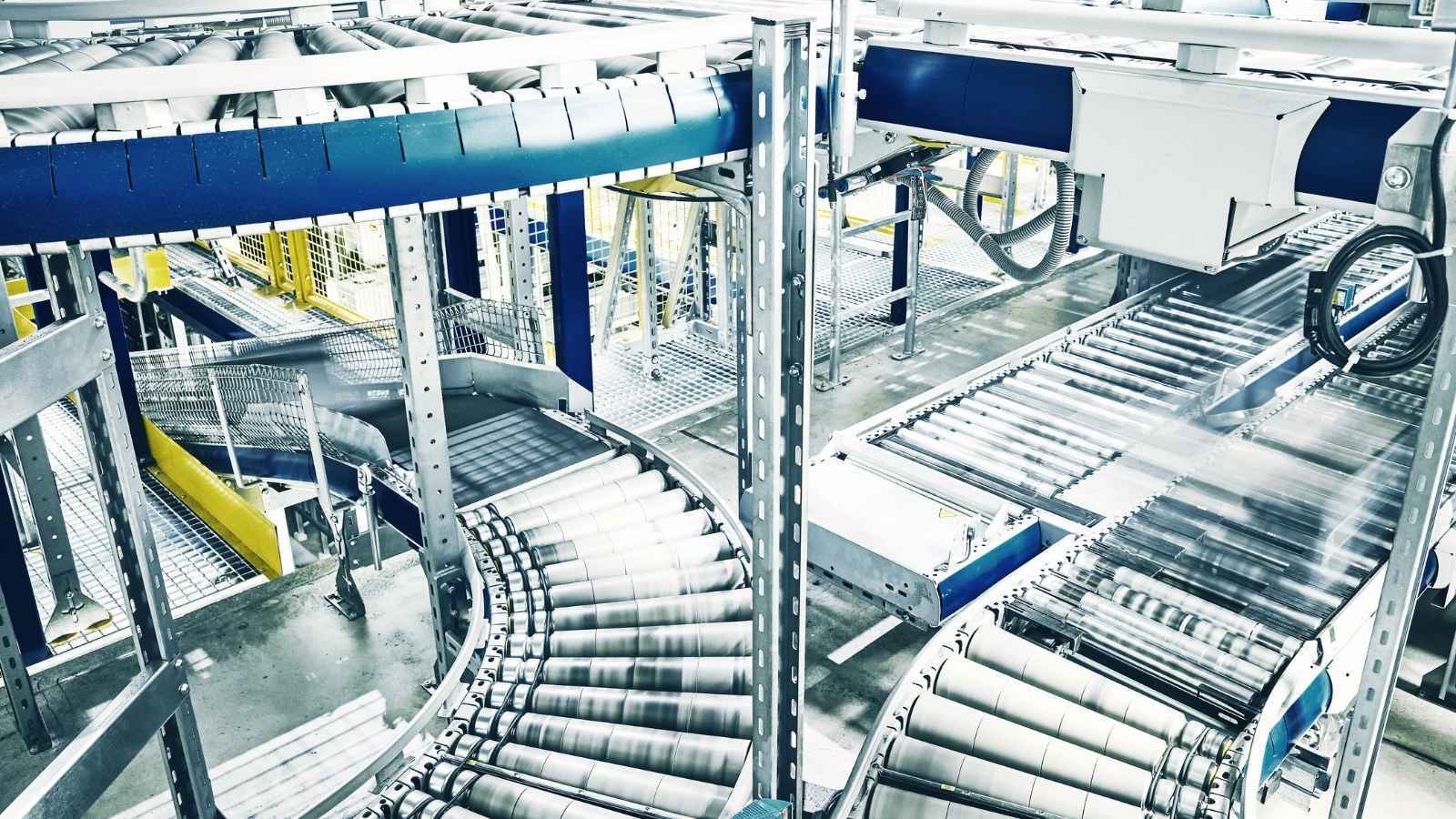
Industrial facilities across Greater Cincinnati and Northern Kentucky rely on...
Read More
Commercial & Industrial Surge Protection
Surge Suppression
Surge Suppression for Cincinnati & Northern Kentucky Facilities Power issues rarely show up when it is convenient. They show up as a line that will not start, a drive that keeps failing, or a control panel that “mysteriously” dies after a storm. For commercial and industrial facilities across Greater Cincinnati and Northern Kentucky, a well‑designed surge suppression system is one of the most effective ways to protect equipment, reduce downtime, and keep projects on schedule. At CDI Electric, we approach surge suppression the same way we approach every project: with planning, practical experience, and a focus on long‑term reliability. What Surge Suppression Really Does for Your Facility Plain‑English Definition An electrical surge is a brief, sharp increase in voltage that rides on your normal power. It can come from lightning, utility switching, large motors starting and stopping, or other disturbances on the grid. These events are short, but they can damage sensitive electronics or slowly wear them out. Surge suppression uses Surge Protective Devices (SPDs) to limit these spikes before they reach your equipment. In a commercial or industrial setting, that protection is built right into your electrical system—not just at the outlet strip level. Core Components of a Surge Suppression System A typical system includes: - Service‑entrance SPDs at the main service or switchboard. - SPDs at key distribution and branch panelboards. - Point‑of‑use protection for especially critical or sensitive loads. - Surge protection for data, communication, and low‑voltage control circuits when needed. The equipment itself matters, but correct selection, placement, and installation are what make the system actually perform in the field. Why Surge Suppression Matters in Cincinnati and Northern Kentucky Regional Power and Weather Realities Greater Cincinnati and Northern Kentucky see their share of severe weather and lightning. Even when a facility never takes a direct strike, nearby events can create transient overvoltages that enter through the power system. In addition, portions of the regional electrical infrastructure carry heavy loads and have been in service for a long time, which can contribute to fluctuations and occasional disturbances. For facilities inside and around the I‑275 loop, along I‑75, and in communities like Florence, Walton, Covington, Erlanger, and the broader tri‑state area, these conditions are simply part of doing business. The Equipment You Depend On Modern facilities depend on electronics from end to end, including: - Production equipment, motors, and variable frequency drives. - PLCs, process control panels, and automation systems. - Refrigeration controls and environmental systems. - Lighting controls, emergency egress lighting, and exterior pole lighting. - Data rooms, servers, network equipment, access control, and camera systems. When this equipment is lost to a surge, you do not just replace components—you lose time, production, and often the confidence that the issue is fully resolved. Surge suppression is about taking control of that risk before it controls you. The Layered Approach to Surge Suppression At CDI Electric, we design surge suppression as a layered system. Instead of relying on a single device, we place multiple lines of defense throughout your electrical distribution. Service‑Entrance Surge Protection The first layer is at the main service equipment or switchboard. Service‑entrance SPDs are built to handle high surge currents and stop the worst of the energy at the door, before it travels through every panel in your building. This is the foundation of a reliable system for any large commercial or industrial facility. Panelboard and Distribution Protection The second layer sits at critical distribution and branch panels, such as: - Panels feeding production lines and large equipment. - Panels that serve IDF/data rooms and IT infrastructure. - Panels supplying HVAC systems, refrigeration, and key building loads. - Lighting and lighting control panels, including emergency lighting circuits. These SPDs intercept residual energy and internally generated disturbances closer to the loads you care about most. They are especially valuable in plants and facilities with a lot of motor load and switching activity. Point‑of‑Use and Low‑Voltage Protection The final layer focuses on your most sensitive or mission‑critical assets: - PLC and control cabinets. - Drives and specialized process equipment. - Servers, storage, and networking gear. - Long low‑voltage runs between buildings or remote equipment. Here, we use point‑of‑use surge protection and, where appropriate, surge protection for data and communication circuits. This helps prevent equipment lockups, mysterious resets, and control issues that come and go without an obvious cause. How CDI Electric Designs and Installs Surge Suppression CDI Electric is a full‑service electrical contractor specializing in industrial and commercial work throughout Greater Cincinnati and Northern Kentucky. We combine consulting, design, installation, and maintenance to deliver surge suppression systems that fit the way your facility operates. Assessment, Planning, and Design We begin by understanding your facility and your pain points. A typical assessment includes: - Reviewing your existing power distribution, from main service to panelboards and subpanels. - Identifying critical production areas, process controls, data rooms, and other sensitive loads. - Discussing historical issues such as nuisance breaker trips, drive failures, and unexplained control problems. - Evaluating future expansion plans so today’s solution does not become tomorrow’s limitation. From there, we develop a layered surge suppression plan tailored to your priorities, budget, and schedule. Installation by Experienced Industrial and Commercial Electricians Our electricians work every day in industrial plants, warehouses, commercial buildings, and specialized facilities. For surge suppression projects, that experience shows up in details such as: - Correct mounting and wiring of SPDs at service equipment, switchboards, and panelboards. - Short, well‑routed conductors to keep SPD performance high. - Proper bonding and grounding, which are essential for surge devices to do their job. - Sequenced work and scheduling to minimize production interruptions and coordinate with your team. We are comfortable working with 3‑phase systems, 240‑ and 480‑volt distribution, motor control centers, lighting control systems, and integrated building services. Our goal is a clean install that performs well and looks like it belongs there. Preventive Maintenance and Ongoing Support Surge protective devices absorb energy over their service life. After significant events, their capacity can be reduced even though your facility appears to be running normally. As part of a preventive maintenance plan, we can: - Inspect SPDs and check indicator lights or status contacts. - Document conditions and recommend replacements when devices reach end of life. - Coordinate surge suppression work with other electrical projects, upgrades, or shutdowns. This proactive approach helps you avoid surprises and protects the investments you have already made in power distribution and equipment. Typical Applications in Greater Cincinnati and Northern Kentucky Surge suppression is a fit for anywhere sensitive or critical equipment meets less‑than‑perfect power. For CDI Electric, that often includes: - Manufacturing and industrial plants along I‑75 and inside the I‑275 loop, where production lines, drives, and controls must run reliably to meet schedules. - Warehouses, distribution centers, and cold storage in and around Florence, Walton, and the broader Northern Kentucky area, where refrigeration, conveyors, and lighting are vital. - Commercial buildings and office complexes in downtown Cincinnati and surrounding communities, where data rooms, access control, and tenant systems all depend on clean power. - Healthcare, institutional, and educational facilities, where downtime affects far more than just production numbers. In each environment, we adapt the layered surge suppression strategy to match the facility’s layout, equipment, and risk profile. How to Know You Need Better Surge Suppression Practical Warning Signs If you see any of the following, it is time to consider a closer look at surge suppression: - Drives, power supplies, or control boards that fail more often than expected. - Nuisance trips of breakers with no obvious overload. - Automation systems, PLCs, or network equipment that reset or lock up randomly. - Equipment or control wiring that runs long distances between buildings or remote areas of your site. - Heavy reliance on plug‑in surge strips, but little or no protection at the main service or panels. These issues do not always trace back to a single dramatic event. More often, they are the cumulative effect of repeated small surges and power quality disturbances. Questions We Hear from Facility Managers and Contractors “Isn’t surge suppression just power strips with better marketing?” No. Plug‑in strips have their place for individual devices, but they are not designed to protect an entire electrical distribution system. In a commercial or industrial setting, effective surge suppression starts at the service and panel level and is backed up by targeted point‑of‑use devices where needed. “What does a surge suppression project usually cost?” Costs depend on the size and layout of your facility, the number of services and panels, and how many critical loads we are protecting. In many cases, the investment is small compared to the cost of a single failure of a drive, PLC, or critical process line—not to mention emergency repairs and lost production. Our process typically starts with a site visit or discussion to develop a budgetary range, followed by a detailed proposal. “Will we have to shut down the plant?” We understand how important uptime is for our customers. Our team works with facility managers, project managers, and engineers to: - Plan work around production schedules. - Break the project into manageable steps, taking only selected areas offline at a time when possible. - Coordinate with your internal maintenance staff and any other contractors on‑site. The goal is to strengthen your electrical system while respecting your operational demands. “Can CDI Electric work with our engineer or general contractor?” Yes. We regularly partner with engineers and general contractors on design‑build projects, renovations, and system upgrades. We can provide input early in the design, review surge-suppression strategies on existing drawings, or integrate new SPDs into broader power distribution and process-control projects. Serving Cincinnati and Northern Kentucky with End‑to‑End Solutions CDI Electric is based in Northern Kentucky and serves the Greater Cincinnati tri‑state area, including communities within and around the I‑275 loop. We bring nearly three decades of industrial and commercial experience to every project, from planning and design to installation and maintenance. Surge suppression is just one part of our broader electrical services, which also include: - Power distribution design and installation. - Process control and motor control work. - Lighting design, including interior, exterior, and emergency lighting. - Maintenance, troubleshooting, and upgrades for existing systems. When you work with CDI Electric, you get a partner focused on workmanship, schedules, safety, and long‑term relationships—not change orders and shortcuts. Ready to Talk Surge Suppression? If you manage a facility in Cincinnati or Northern Kentucky and want a straightforward, practical plan for surge suppression, CDI Electric is ready to help. We offer: - On‑site surge risk assessments. - Reviews of existing services, panelboards, and critical loads. - Layered surge suppression designs tailored to your facility. - Professional installation, testing, and ongoing support. Call CDI Electric today or send us a message to schedule a surge suppression assessment for your commercial or industrial facility in Greater Cincinnati and Northern Kentucky.
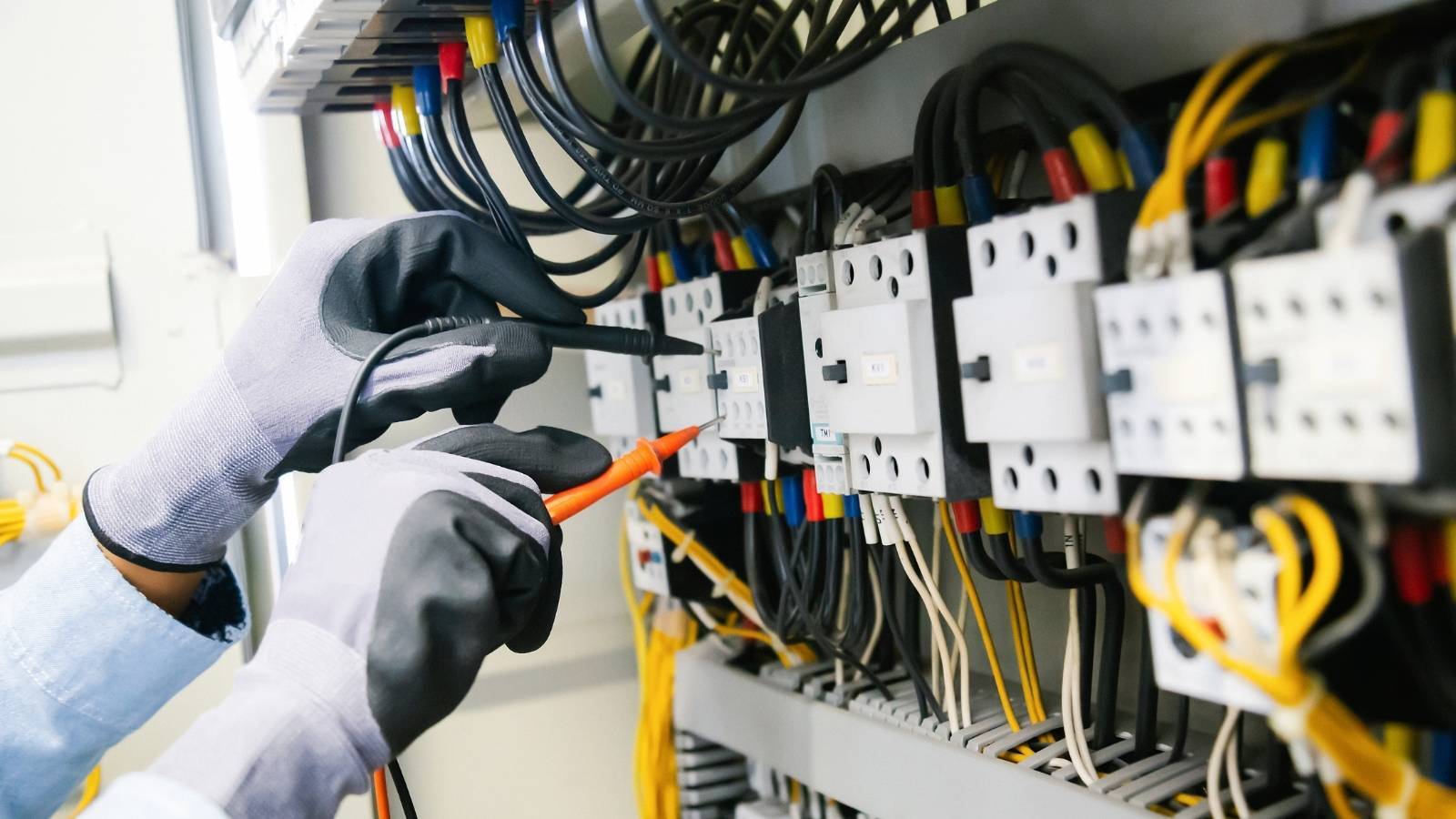
Surge Suppression for Cincinnati & Northern Kentucky Facilities Power issues...
Read More