Is Your Electrical Panel Ready for Today’s Homes?
EV Charger Electrical Panel Problems Hot Tub Wiring Basement Remodel Kitchen Remodel
Is Your Electrical Panel Ready for Today’s Homes? EV Chargers, Hot Tubs, And Everything In Between Modern Homes, Old Electrical Panels: A Hidden Mismatch Today’s homes in Northern Kentucky and Greater Cincinnati use far more electricity than they were originally designed for. Between electric vehicle chargers, hot tubs, finished basements, and home offices, many older electrical panels are running at or near their limit. If you have a 100‑amp or older panel—or a crowded breaker box—you may not have enough safe capacity for the upgrades you want to make. An overloaded or outdated panel is more than an inconvenience; it can lead to constant breaker trips, overheating, and even fire risk. What Does an Electrical Panel Do in a Modern House? Your main electrical panel is the control center for all the power in your home. It takes electricity from the utility and distributes it through individual circuits to feed lighting, outlets, appliances, and new loads like EV chargers and spas. A properly sized, up‑to‑date panel should: Have enough amperage (often 200 amps in modern homes) for your current and future needs Provide space for dedicated breakers for large loads (EVs, hot tubs, HVAC, ranges) Keep breakers and wiring running cool under normal use, not hot to the touch If your electrical panel is too small or too full, every new high‑demand device you add puts more strain on the system and increases your risk of tripped breakers or unsafe conditions. EV Chargers: Can Your Panel Handle Level 2 Charging? Level 2 EV chargers are one of the biggest new loads homeowners are adding. A typical home Level 2 charger often uses a 240‑volt circuit and can draw a significant amount of power continuously while the vehicle charges. Signs your panel may not be ready for an EV charger include: You have a 100‑amp service with multiple large appliances already installed Your panel is nearly full and has no room for a new double‑pole breaker Breakers already trip when you run HVAC, the oven, and other high‑demand loads together Code treats EV chargers as continuous loads and requires them to be included in a proper load calculation, not just “squeezed in” because there is physical space for a breaker. A licensed electrician can calculate your total demand, evaluate your panel size, and recommend either a panel upgrade, a load‑management solution, or a safe way to add charging without overloading your existing system. Hot Tubs, Spas, and Saunas: High‑Demand Backyard Upgrades A hot tub or spa might look simple from the outside, but electrically it can be one of the largest loads in your home. Many hot tubs require a dedicated 240‑volt circuit and often use a large breaker, plus GFCI protection for safety around water. If your electrical panel is already close to its capacity, adding a hot tub can: Push your total load beyond what your service can safely handle Cause nuisance tripping when the heater and pumps run together Overheat breakers or wiring if circuits are not sized and installed correctly In some homes, the safest solution is a panel upgrade or a properly sized subpanel to serve the hot tub and nearby outdoor circuits. This is not a DIY project; it involves understanding code requirements, conductor sizing, bonding, and GFCI protection for wet locations. Finished Basements, Home Offices, and Kitchen Remodels: The “Silent” Load Adders Even if you do not have an EV yet or a hot tub, common projects like finishing a basement, adding a home office, or remodeling a kitchen can quietly overload an older panel. These projects often add: Dozens of new outlets and lighting circuits Dedicated circuits for microwaves, dishwashers, disposals, or auxiliary heat Computer equipment, entertainment systems, and space heaters in home offices Each new circuit or appliance increases your total electrical demand. If you started with a 60‑amp or 100‑amp panel—common in older homes—you may already be at or above what the panel was designed to handle safely. Before adding multiple new circuits, it is smart to evaluate whether your panel needs an upgrade to support the way you live now, not the way the home was used decades ago. How Electricians Check if Your Panel Is Big Enough A professional electrician does more than just count empty breaker spaces. They perform a residential load calculation based on the National Electrical Code (NEC), looking at: The size of your home and general lighting load Required small‑appliance and laundry circuits Major loads: HVAC, range, dryer, water heater, hot tub, and EV chargers Continuous loads that must be calculated appropriately for safety This calculation shows whether your existing 100‑amp or 150‑amp service can safely support your current and planned loads, or whether a 200‑amp panel (or larger) is recommended. From there, they can design a plan that may include a full panel upgrade, a new subpanel, dedicated circuits, or load management technology tailored to your home. Warning Signs Your Electrical Panel Needs Attention Even before you add major new loads, your home may be telling you that the panel is struggling. Common warning signs include: Breakers that trip regularly, especially when multiple appliances run Lights dimming when the AC, oven, or dryer starts Warm or hot breakers, discoloration, or a burning smell at the panel A buzzing or crackling sound from the breaker box An older fuse box or a very small panel with limited breaker spaces If you notice any of these symptoms, you should have an electrician inspect your panel before adding an EV charger, hot tub, or major renovation circuits. Catching problems early protects your home, your appliances, and your family’s safety. Why Work With a Licensed Residential Electrician for Panel Upgrades? Upgrading or evaluating your electrical panel is not just about convenience—it is about long‑term safety and reliability. Licensed residential electricians bring: Familiarity with current NEC requirements and local codes Experience installing EV charger circuits, hot tub feeds, and new subpanels The ability to correct past code violations and design room for future growth A properly upgraded panel can support the way you live today—EVs, hot tubs, finished basements, smart home devices—and give you headroom for whatever comes next. You get fewer trips to the breaker box, better performance from your equipment, and peace of mind that the system behind the walls is built to handle it. Ready to See If Your Panel Is Ready for “Everything in Between”? If you are thinking about installing an EV charger, hot tub, sauna, finished basement, or major new appliances, this is the perfect time to find out if your electrical panel is up to the task. A short visit from a licensed electrician can answer that question and give you a clear plan—whether you need a full panel upgrade, a subpanel, or just a few targeted improvements. To schedule a residential electrical assessment or talk about panel upgrades, EV charging, and other home electrical projects, visit our residential services page now: https://www.cdielectric.com/services/residential
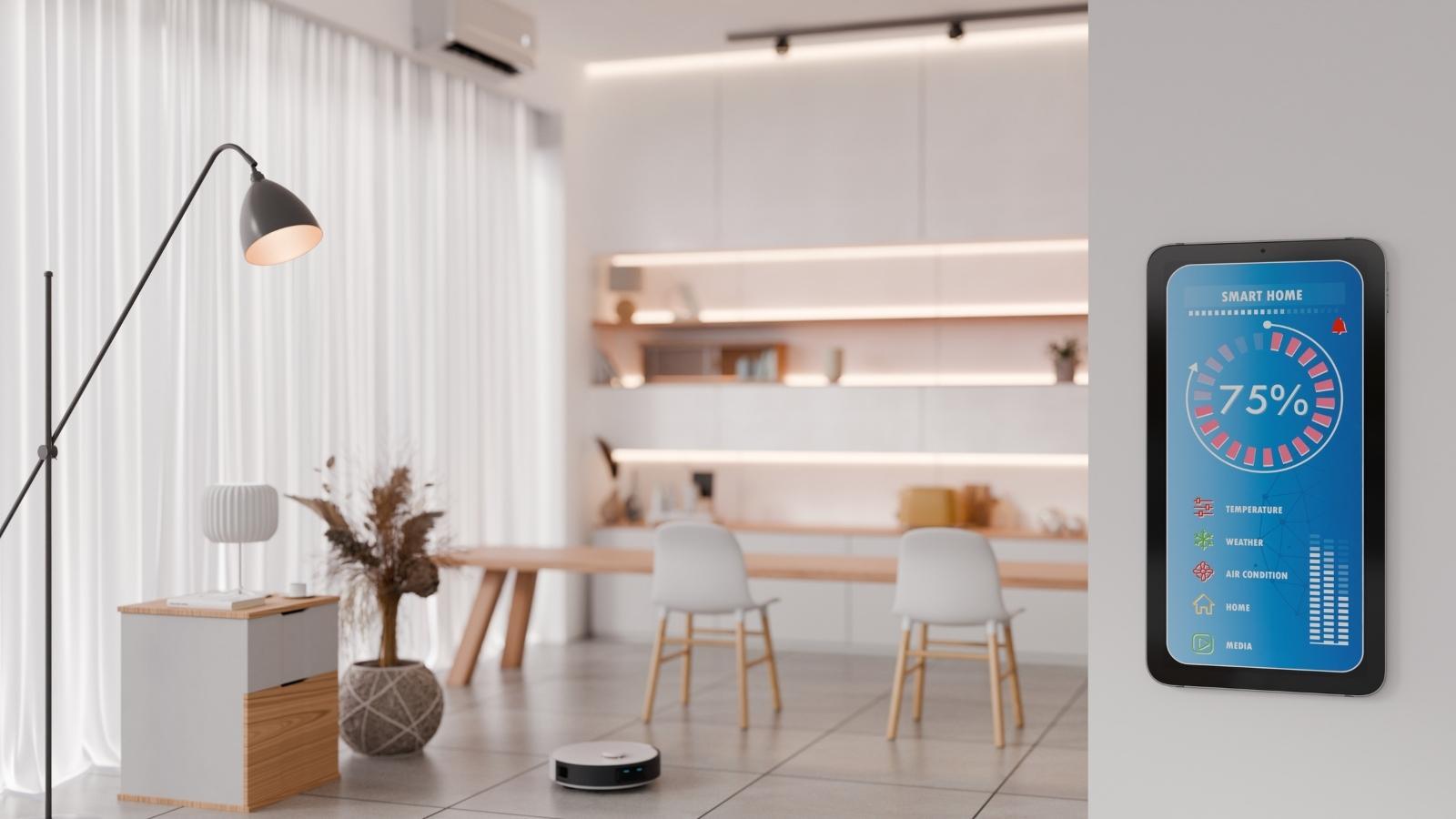
Is Your Electrical Panel Ready for Today’s Homes? EV Chargers, Hot Tubs, And...
Read More
5 Hidden Electrical Problems Northern Kentucky Homeowners Ignore
Electrical safety Electrical Panel Problems Electrical Maintenance for Homeowners Flickering Lights
5 Hidden Electrical Problems Northern Kentucky Homeowners Ignore (Until It Costs Them Thousands) If you own a home in Northern Kentucky or the Greater Cincinnati area, your electrical system is working every minute of every day behind the scenes. When small warning signs are ignored, they can turn into major electrical repairs, property damage, or even fire. In this guide, our licensed residential electricians walk through the most common “little” problems homeowners shrug off—and why calling a professional early can save you money and keep your family safe. 1. Flickering Lights in Your House Are Not Just Annoying Many homeowners think flickering lights are just a loose bulb or an old fixture. But frequent flicker can be an early sign of: Loose or failing wiring connections Overloaded electrical circuits Failing light dimmers or incompatible LED bulbs Problems at the panel or service connection Modern electrical safety standards and the National Electrical Code (NEC) tell us that loose connections and overloaded circuits create heat, which is a leading cause of hidden electrical fires inside walls and ceilings. If lights dim or flicker when large appliances start (like the furnace, AC, or microwave), it is time to have a licensed electrician evaluate your home wiring and load balance. 2. Warm or Hot Circuit Breakers and Electrical Panels Your electrical panel should be easy to access, clearly labeled, and only slightly warm at most under normal operation. If your breakers, main lugs, or the panel cover feel hot to the touch—or you see discoloration, buzzing, or a burning smell—this is a serious warning sign. Common NEC‑related issues that cause overheating include: Loose breaker terminations and neutral connections Corroded or damaged bus bars Breakers that are undersized or oversized for the connected wire Double‑lugged circuits (two wires under one breaker) These conditions increase resistance and heat, and they can eventually damage the breaker or melt insulation, raising your fire risk. A professional electrician can tighten connections with the right torque, evaluate breaker sizing, and recommend panel repair or replacement before you face a costly failure. 3. GFCI Outlets That Keep Tripping in Kitchens, Bathrooms, and Outdoors Ground Fault Circuit Interrupter (GFCI) outlets are designed to protect you from shock, especially in wet areas like kitchens, bathrooms, basements, garages, and outdoor spaces. When a GFCI trips once in a while, it might just be doing its job—but frequent “nuisance” tripping can indicate a deeper problem. Common causes of repeated GFCI trips include: Damaged appliance cords or internal appliance faults Moisture in exterior outlets or bathroom/kitchen receptacles Incorrect wiring or loose terminations at the GFCI Older wiring that no longer meets current NEC GFCI protection requirements NEC updates have steadily expanded where GFCI protection is required to reduce shock hazards, which means more homes have these devices and more opportunities for problems to show up. If your GFCI outlets in Northern Kentucky or Cincinnati keep tripping, a residential electrician can test the circuit, correct wiring issues, and replace defective devices before someone gets hurt. 4. Mysterious Burning Smells, Buzzing, or Crackling From Electrical Devices A faint burning or “hot plastic” smell that comes and goes is one of the most ignored warning signs in a home. Buzzing or crackling at switches, outlets, or light fixtures can also signal dangerous arcing. These symptoms can point to: Loose connections arcing inside switches, outlets, or junction boxes Overheated light fixtures with bulbs exceeding the rated wattage Damaged insulation or wiring behind walls Failing devices that no longer meet current safety expectations Electrical arcing and overheating are directly tied to fire risk; NEC‑compliant installations are designed to minimize these conditions, but age, DIY work, and wear can defeat those protections. If you notice unusual smells or sounds, shut off the affected circuit if possible and have a licensed electrician inspect the area as soon as you can. 5. Constantly Tripping Breakers and Overloaded Home Electrical Circuits A breaker that trips once in a great while is doing what it is supposed to do: stop an overload. But breakers that trip weekly—or every time you use a few appliances at once—are a sign your home’s electrical system is either overloaded or not configured correctly for today’s power demands. Common issues behind frequently tripping breakers include: Too many high‑demand appliances sharing a single branch circuit Added DIY outlets or devices without panel upgrades Old panels that were never designed for today’s electronics, HVAC, or EV chargers Hidden wiring damage or loose terminations along the circuit Modern NEC guidelines emphasize proper circuit sizing, dedicated circuits for certain appliances, and arc‑fault or ground‑fault protection to cut down on shock and fire hazards. If you are constantly resetting breakers, you need more than a bigger breaker—you need a professional load evaluation and possibly panel or circuit upgrades. Why Early Electrical Inspections Save Northern Kentucky Homeowners Money From a homeowner’s perspective, it is tempting to ignore “minor” issues like flicker, a warm outlet, or a tripping GFCI—especially when everything starts working again after a reset. The problem is that these warning signs often show up long before serious damage or fire occurs. A licensed electrician can: Identify code violations and safety hazards before they become emergencies Tighten loose connections and replace failing components at a fraction of the cost of major repairs Recommend cost‑effective panel, circuit, and lighting upgrades that improve both safety and comfort Addressing problems early usually means shorter visits, fewer parts, and less disruption to your life, which translates directly into lower overall costs and peace of mind. Why Choose a Licensed Residential Electrician (Not a “Quick Fix”) When you invite someone into your home to work on your electrical system, you are trusting them with your family’s safety. A licensed residential electrician brings: Training in current NEC requirements and local Northern Kentucky codes The right tools and test equipment to diagnose problems correctly Experience from commercial and industrial projects that carry over into safer, cleaner residential work Fast emergency response is important, but the real savings often come from doing the job right the first time—using code‑compliant methods, quality materials, and proper workmanship that stand up over time. Schedule a Residential Electrical Safety Inspection Today If you have noticed flickering lights, warm breakers, tripping GFCIs, or unexplained burning smells in your Northern Kentucky home, do not wait until it becomes an emergency. A short visit from a licensed residential electrician can quickly identify issues and help you make a clear, informed plan for repairs or upgrades. To schedule an in‑home electrical safety inspection or learn more about our residential electrical services, visit our residential services page now: https://www.cdielectric.com/services/residential

5 Hidden Electrical Problems Northern Kentucky Homeowners Ignore (Until It...
Read More